
Premium Dutch Ovens: When High-End Cookware Makes Sense and When It Doesn’t
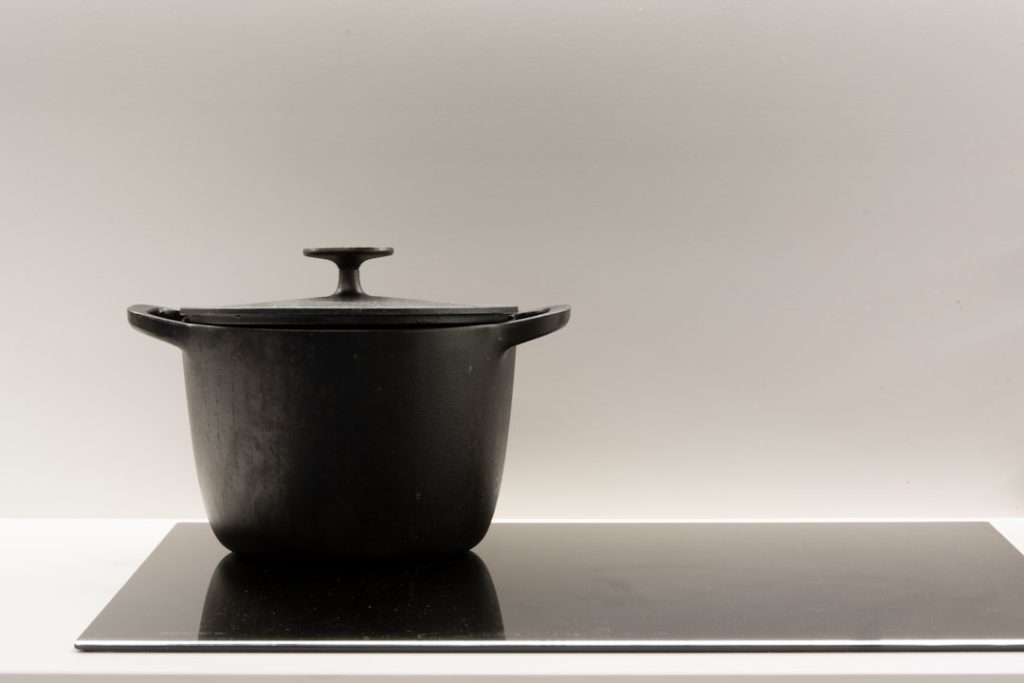
The world of premium cookware presents fascinating questions about value, performance, and culinary priorities. When examining high-end enameled cast iron Dutch ovens that command prices exceeding $300, we encounter a perfect case study in kitchen economics and cooking philosophy.
I believe the conversation around expensive cookware often misses the most important point: understanding your actual cooking habits versus your aspirational ones. Too many home cooks invest in premium equipment they’ll rarely use to its full potential, while others who would genuinely benefit stick with inadequate tools due to sticker shock.
Understanding Dutch Oven Fundamentals
A Dutch oven represents one of the most versatile pieces of cookware available. These heavy-walled, thick-bottomed pots with tight-fitting lids excel at heat retention and even temperature distribution. The cast iron construction, whether bare or enameled, creates an ideal environment for braising, slow cooking, bread baking, and deep frying.
What makes these pots special is their thermal mass. Once heated, they maintain consistent temperatures beautifully, which is why professional chefs and serious home cooks swear by them. The question isn’t whether Dutch ovens are useful – they absolutely are – but rather how much you should spend on one.
The Premium Cookware Proposition
High-end manufacturers justify their pricing through several factors: superior enamel coatings, precise manufacturing tolerances, extensive color options, and generous warranties. Professional chefs I’ve spoken with consistently praise premium brands for their durability and performance consistency.
Chef Priscilla Martel, who has used professional-grade Dutch ovens for over three decades, emphasizes their longevity: “I have three that survived commercial kitchen use and remain functional after 30 years. For serious cooks, this justifies the investment.”
However, I think this perspective, while valid, applies to a specific subset of users. The “serious cook” designation matters here – if you’re braising meats weekly, baking artisan breads regularly, or cooking for large families frequently, premium cookware makes financial sense when amortized over years of heavy use.

Who Benefits from Premium Dutch Ovens
In my opinion, expensive Dutch ovens are worthwhile for several specific groups. Frequent entertainers who regularly cook for groups will appreciate the superior heat retention and presentation value. Avid bread bakers benefit from the consistent temperatures these pots maintain. Home cooks who view cooking as a primary hobby rather than a chore will likely use premium cookware enough to justify the cost.
The generational aspect also matters significantly. Recipe developer Marissa Stevens notes her Dutch oven will “still be cooking long after I’m gone.” If you’re purchasing cookware with the intention of passing it down, premium pricing becomes more reasonable when viewed as a multi-decade investment.
Budget Alternatives: Performance vs. Price
The market offers numerous alternatives at fraction of premium prices. Basic enameled cast iron Dutch ovens from established manufacturers start around $40-60, representing savings of over $200 compared to luxury brands.
Through testing budget options, I’ve found they deliver surprisingly competent performance for occasional users. The fundamental physics remain the same – cast iron retains heat regardless of brand premium. While build quality differences exist, they’re often irrelevant for typical home cooking scenarios.
Budget Dutch ovens work perfectly well for occasional braising, soup making, and bread baking. The enamel coating prevents rust and simplifies cleaning, matching premium features at accessible prices. For most home cooks, these represent better value propositions.
Who Should Skip Premium Cookware
I believe several groups should avoid expensive Dutch ovens entirely. Infrequent cooks who prepare simple meals won’t utilize advanced heat retention properties. College students and young professionals establishing first kitchens should prioritize building complete cookware collections over single premium pieces.
Anyone whose cooking ambitions exceed their actual habits should start with budget options. Many expensive Dutch ovens become attractive but underutilized kitchen decorations – an expensive mistake that budget alternatives make more palatable.

Performance Reality Check
Having tested both premium and budget Dutch ovens extensively, I can confirm that cooking performance differences are often subtle. Both achieve proper braising temperatures, both bake excellent bread, and both clean reasonably well with proper care.
The premium advantages – slightly more even heating, superior enamel durability, better warranty coverage – matter most to power users. Casual cooks rarely encounter scenarios where these differences significantly impact results.
However, premium Dutch ovens do excel in longevity and customer service. Established luxury brands typically honor generous warranty terms and maintain replacement part availability for decades. This matters if you’re planning long-term ownership.
Making the Right Choice
The decision ultimately depends on honest self-assessment of cooking habits and priorities. If you cook elaborate meals multiple times weekly, entertain regularly, or consider cooking a serious hobby, premium Dutch ovens represent sound investments that will enhance your culinary experience for decades.
For everyone else – which includes most home cooks – budget alternatives deliver excellent value without financial stress. Starting with affordable options allows you to develop cooking skills and habits before potentially upgrading later.
I recommend budget-conscious cooks invest saved money in building complete cookware collections rather than purchasing single premium pieces. A well-rounded kitchen with quality basics serves most cooking needs better than one expensive pot surrounded by inadequate tools.
The premium cookware market thrives on aspiration, but practical cooking success depends more on technique and consistent use than brand prestige. Choose based on your actual cooking patterns, not your kitchen dreams.
Photo by Alfonso Escu on Unsplash
Photo by Cooker King on Unsplash
Photo by Ignat Kushnarev on Unsplash