
The Rise of Inflatable Outdoor Furniture: From Pool Toys to Sophisticated Design
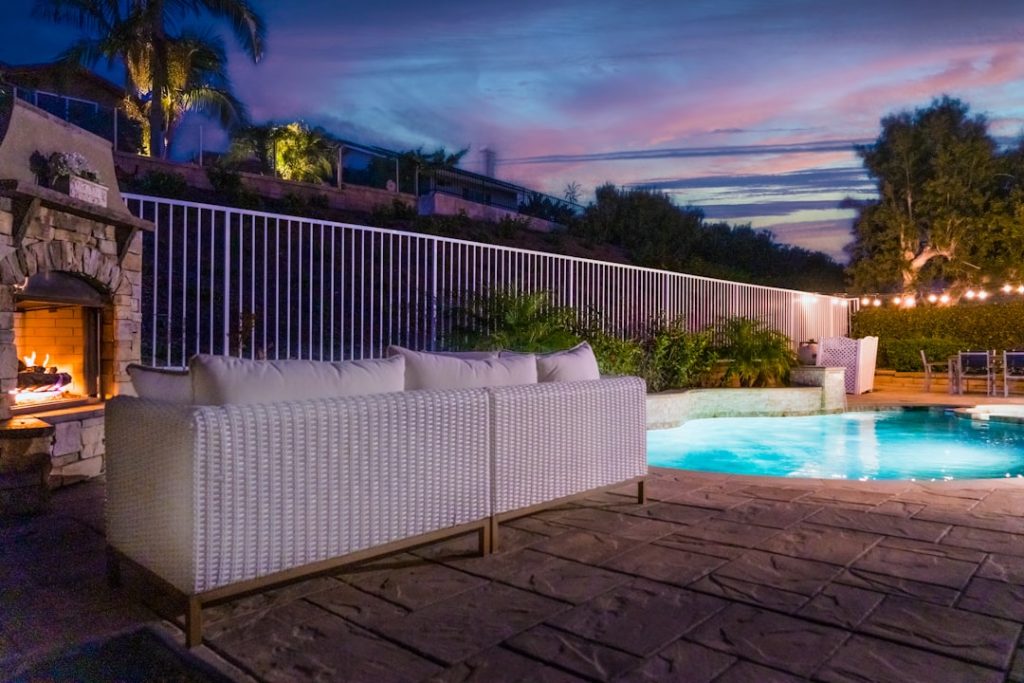
The outdoor furniture industry is experiencing a fascinating transformation, and I believe inflatable pieces are at the center of this evolution. What was once relegated to children’s pool parties and camping trips is now making serious inroads into sophisticated outdoor living spaces.
In my view, this shift represents more than just a trend – it’s a fundamental reimagining of how we approach outdoor comfort and style. The modern consumer, particularly millennials and Gen Z homeowners, values flexibility and practicality in ways previous generations didn’t prioritize. They’re not interested in heavy, permanent fixtures that limit their ability to adapt their spaces.
Who Benefits Most from This Innovation
I think inflatable outdoor furniture is particularly valuable for urban dwellers with small balconies or patios. These individuals often struggle with storage constraints and seasonal furniture transitions. For them, pieces that can be deflated and stored in a closet during winter months are genuinely game-changing.
Renters also stand to gain significantly from this trend. Unlike traditional outdoor furniture that represents a substantial investment tied to a specific property, inflatable options offer the freedom to create comfortable outdoor spaces without the commitment. When it’s time to move, everything packs away easily.

The Design Evolution That Matters
What impresses me most about contemporary inflatable outdoor furniture is the attention to aesthetic detail. Manufacturers are moving beyond basic vinyl constructions to incorporate sophisticated materials, neutral color palettes, and architectural forms that complement modern outdoor design schemes.
The key advancement lies in the development of puncture-resistant materials and improved valve systems. These technical improvements address the primary concerns that previously kept discerning consumers away from inflatable options.
Where This Trend Falls Short
However, I believe this category still has significant limitations that potential buyers should consider carefully. Despite improvements in durability, inflatable furniture simply cannot match the longevity of well-constructed traditional pieces. For homeowners planning to invest in outdoor spaces for decades, traditional materials like teak, aluminum, or high-quality synthetic wickers remain superior choices.
The maintenance requirements also concern me. Regular cleaning, proper storage, and vigilance against sharp objects create ongoing responsibilities that some consumers underestimate. Those seeking truly low-maintenance outdoor solutions might find these requirements frustrating.

Climate Considerations
Temperature fluctuations present another challenge I think deserves more attention. Inflatable furniture expands and contracts with temperature changes, potentially affecting both comfort and appearance. In regions with extreme seasonal variations, this could prove particularly problematic.
The Future of Flexible Outdoor Living
Looking ahead, I anticipate continued innovation in this space, particularly in hybrid designs that combine inflatable elements with rigid frameworks. These approaches could address durability concerns while maintaining the flexibility advantages that make inflatable furniture appealing.
For consumers considering this category, I recommend viewing inflatable outdoor furniture as a complement to, rather than a replacement for, traditional pieces. Used strategically for specific situations – extra seating for gatherings, seasonal spaces, or transitional living arrangements – these products offer genuine value.
The question isn’t whether inflatable outdoor furniture can achieve true sophistication, but rather whether it needs to. For the right consumer in the right circumstances, functionality and adaptability may prove more valuable than traditional markers of luxury.
Photo by Marty O’Neill on Unsplash
Photo by Aiper Pool Cleaner on Unsplash