
The Perfect Spanish Red Sangria: A Refreshing Summer Classic
There’s something magical about a well-crafted red sangria that instantly transports you to a sun-drenched Spanish terrace. This beloved beverage has become a staple at summer gatherings, and honestly, I think it’s one of the most underrated cocktails in terms of versatility and crowd appeal.
What makes red sangria truly special is its forgiving nature – unlike precise cocktails that require exact measurements, sangria welcomes experimentation and personal touches. I believe this flexibility is exactly what makes it perfect for home entertainers who want to impress without the stress of bartending precision.
The Foundation: Choosing Your Wine
The backbone of any great red sangria starts with the wine selection. I’m a firm believer that you don’t need to break the bank here – a medium-bodied Spanish Tempranillo or Garnacha works beautifully. The key is avoiding wines that are too tannic or expensive, since you’ll be mixing them with other ingredients.

For those who appreciate wine complexity, this drink offers an excellent opportunity to use bottles that might be slightly past their prime for sipping neat. The fruit and sweeteners will complement and enhance flavors that might otherwise seem muted.
Building Layers of Flavor
The beauty of sangria lies in its component harmony. Fresh citrus fruits – oranges, lemons, and limes – provide essential acidity that balances the wine’s natural sugars. I always recommend using a combination of sliced and juiced citrus for maximum flavor extraction.
Stone fruits like peaches and plums add wonderful sweetness during summer months, while apples and pears work better for autumn versions. The fruit serves dual purposes: flavoring the liquid and providing an attractive visual element that makes the drink Instagram-worthy.

The Sweet Balance
Traditional recipes often call for simple syrup or sugar, but I think brandy or orange liqueur creates more sophisticated depth. A splash of club soda or ginger ale just before serving adds effervescence that lifts the entire drink experience.
Who This Recipe Serves Best
This sangria style particularly benefits casual entertainers and those hosting larger groups. It’s not ideal for wine purists who prefer their vintages unadorned, nor for those seeking strong, spirit-forward cocktails. The drink shines at outdoor gatherings, barbecues, and relaxed dinner parties where conversation flows as freely as the pitcher.
I find that sangria works exceptionally well for hosts who want to prepare drinks in advance – the longer the fruit macerates, the better the flavors meld. This makes it perfect for busy entertainers who prefer batch cocktails over individual drink preparation.
Timing and Technique
The most crucial element that many overlook is patience. While you can serve sangria immediately, I strongly believe the magic happens after at least two hours of chilling. The fruit needs time to release its juices and marry with the wine, creating that signature sangria complexity.
For optimal results, prepare your sangria the morning of your event or even the night before. This advance preparation actually improves the drink quality while reducing your hosting stress – a win-win situation that I always advocate for entertaining success.
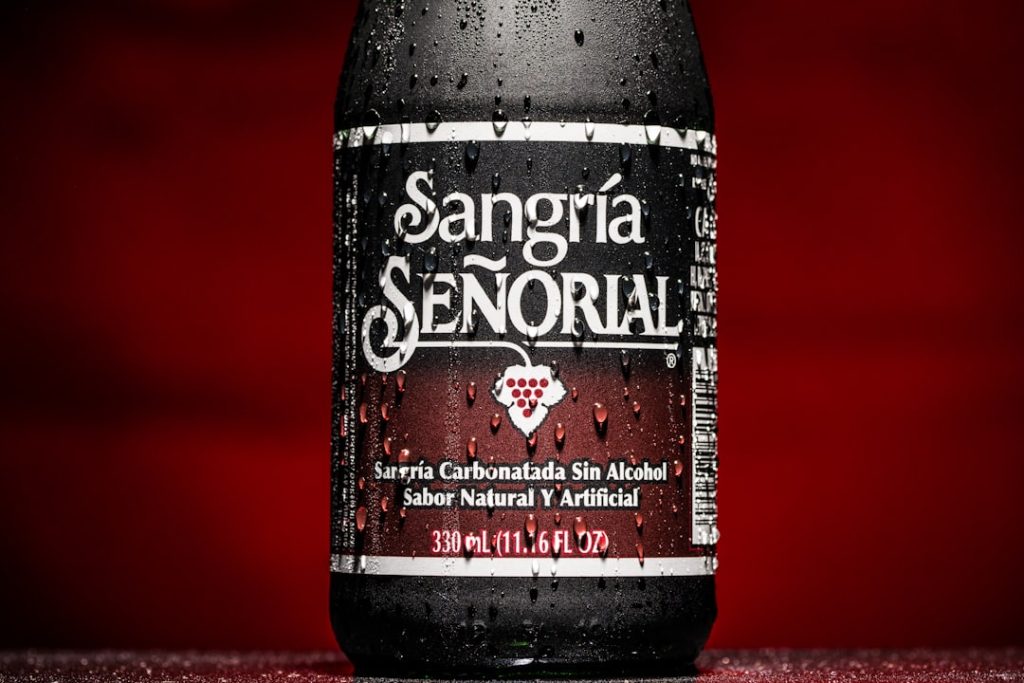
Photo by Sangria Señorial on Unsplash
Photo by Luis González Sosa on Unsplash