
Scottish Football Supporters Set Aside Historic Feuds to Rally Behind National Team
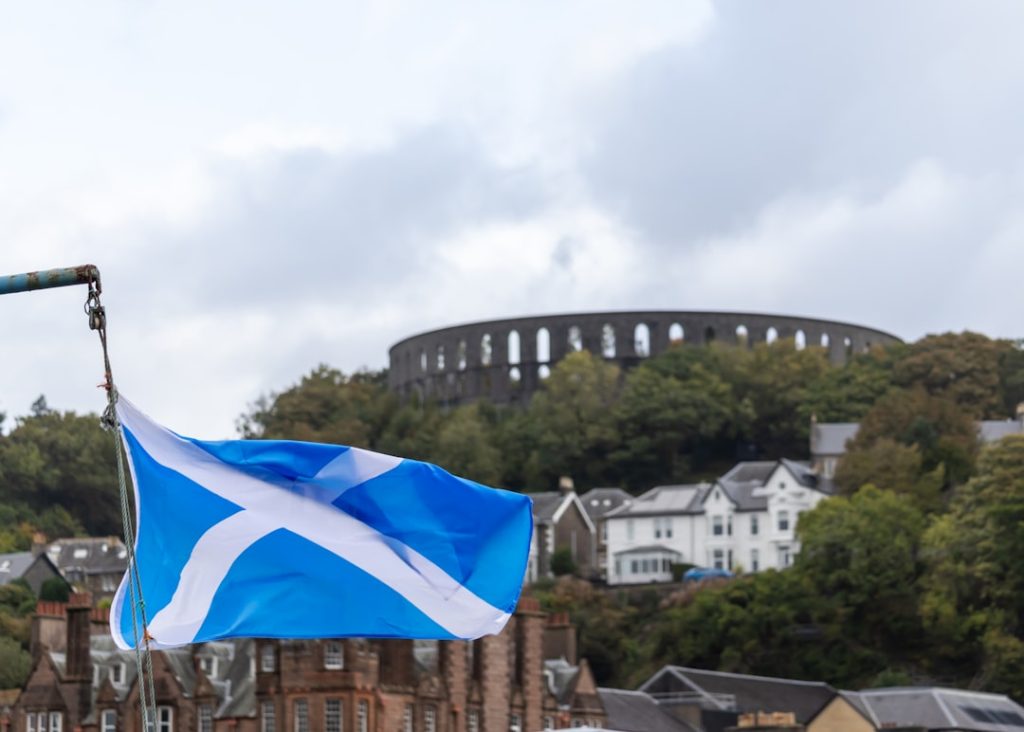
The landscape of Scottish football is witnessing something remarkable as the World Cup approaches. Fans who have spent decades locked in bitter local rivalries are now finding common ground in their shared national pride. This phenomenon represents a fascinating shift in football culture that I believe demonstrates the unifying power of international competition.
What makes this particularly striking is the deep-rooted nature of Scottish club rivalries. These aren’t casual disagreements between neighboring towns – they’re generational feuds steeped in history, religion, and regional identity. Yet when the national team takes the field, these divisions seem to evaporate, at least temporarily.
The Power of National Unity in Football
I think this transformation speaks to something fundamental about human nature and sports psychology. When faced with external competition, internal conflicts often take a backseat. For Scottish supporters, the opportunity to compete on the world stage transcends local allegiances in a way that’s both surprising and heartening.

This unity is particularly relevant for casual football observers who might not understand the intensity of club-level rivalries in Scotland. These aren’t just sporting preferences – they’re cultural identities passed down through families. The fact that such deeply ingrained divisions can be set aside, even temporarily, suggests something powerful about the appeal of international football.
Who Benefits from This Phenomenon
This development is most meaningful for Scottish football as a whole. The national team benefits enormously from having a unified supporter base rather than fractured groups bringing their club animosities to international matches. Players report feeling more supported and confident when they sense the entire nation behind them, regardless of which club jersey they wear domestically.
Local businesses and tourism also stand to gain significantly. When rival fan groups unite for international tournaments, it creates a more welcoming atmosphere that attracts neutral visitors and generates economic activity that benefits everyone.

The Skeptical Perspective
However, I’m somewhat skeptical about the lasting impact of this unity. While it’s inspiring to see rivals come together, history suggests these truces are typically temporary. Once the World Cup ends and domestic competition resumes, the old rivalries will likely resurface with their usual intensity.
This temporary nature doesn’t diminish the phenomenon’s value, but it does raise questions about whether international football can create lasting social change or merely provides brief respites from entrenched divisions.
Broader Implications for Football Culture
What’s happening in Scotland isn’t unique – similar patterns emerge worldwide when national teams compete. But the Scottish case is particularly compelling because their domestic rivalries are so well-documented and intense. This makes their ability to unite even more noteworthy.
For football administrators and social researchers, this presents an interesting case study in how sporting events can temporarily reshape social dynamics. The challenge lies in understanding whether these moments of unity can be leveraged for longer-term positive change or if they’re destined to remain fleeting exceptions to the norm.
Ultimately, I believe this phenomenon reflects both the best and most complex aspects of football culture – its ability to divide and unite sometimes simultaneously, creating moments of genuine human connection amid otherwise intractable conflicts.
Photo by Andrew Dawes on Unsplash
Photo by Adam Wilson on Unsplash
Photo by Sebastian Pociecha on Unsplash