
The Evolution of Travel: Industry Leaders Share Their Vision for Tomorrow’s Tourism
The travel landscape stands at a fascinating crossroads, and frankly, I believe we’re witnessing the most significant transformation the industry has seen in decades. Recent discussions among travel professionals reveal compelling insights about where tourism is heading, and honestly, some of these changes couldn’t come soon enough.
A gathering of industry veterans recently convened to explore these evolving trends, bringing together voices from luxury hospitality, travel media, marketing, and television production. What emerged from their conversation offers a roadmap that should excite seasoned travelers while giving pause to those who prefer the status quo.
Hotels Are Finally Getting Personal
The hospitality sector is undergoing what I consider a long-overdue awakening. Industry leaders are recognizing that travelers today aren’t just seeking a bed for the night—they’re investing significant resources in experiences that should feel meaningful from the moment they arrive.
This shift toward intentional hospitality makes perfect sense to me. When you consider how expensive travel has become, hotels that still operate with a one-size-fits-all mentality are essentially disrespecting their guests’ financial commitment. The properties that understand this are implementing thoughtful touches and anticipating guest needs in ways that honor the investment people make in their travels.
What’s particularly encouraging is the emphasis on connecting guests to their destinations through experiential offerings. Whether it’s cooking classes, guided tours, or simply incorporating local art and traditions into the hotel experience, these establishments are moving beyond generic luxury toward something more authentic and place-specific.
This trend benefits travelers who value cultural immersion and authentic experiences, though it might frustrate those who prefer predictable, standardized service. If you’re someone who wants your hotel to feel exactly the same whether you’re in Tokyo or Toronto, this evolution isn’t for you.

Travel Content Needs a Complete Overhaul
The current state of travel media, in my opinion, has become disappointingly sterile and formulaic. There’s an enormous opportunity to inject more personality, authenticity, and emotional depth into travel storytelling—what some industry professionals are calling making content “sexier.”
This doesn’t mean sensationalizing travel experiences, but rather making them more alluring and engaging by focusing on the transformative aspects of travel. Too much travel content today reads like instruction manuals rather than inspiring narratives that capture why travel matters to the human experience.
The push for greater diversity in travel storytelling is equally crucial. The industry has made some progress since 2020’s reckoning with representation, but there’s still substantial work to be done. This isn’t just about checking boxes—it’s about ensuring travel stories reflect the full spectrum of human experience and uplift voices that have been historically marginalized.
However, I worry about tokenism creeping into these diversity efforts. Simply assigning writers to cover destinations based on their ethnic background, or only publishing diverse voices during heritage months, misses the point entirely. True progress requires systemic change at every level, including decision-making positions.
Human Stories Trump Everything Else
In an era of 30-second social media clips and AI-generated content, there’s something refreshingly rebellious about long-form storytelling that puts human experiences at the center. This approach resonates with me because it acknowledges that travel’s true value lies in connection—to places, cultures, and people.
The most compelling travel content I encounter focuses on local voices and allows destinations to tell their own stories. This approach serves as a counterweight to the superficial “listicle” culture that has dominated travel media for too long.

This shift toward human-interest storytelling benefits travelers who seek deeper cultural understanding and meaningful connections. It’s less useful for those who simply want quick tips for efficient sightseeing or the cheapest flight deals.
As artificial intelligence increasingly handles utility-based travel content, human storytelling becomes even more valuable. The future belongs to content that AI can’t replicate—personal narratives, emotional connections, and authentic cultural insights.
Intention as the Guiding Principle
The recurring theme throughout these industry discussions was intentionality, and I believe this represents the most significant shift in how we approach travel. In a world obsessed with speed and efficiency, the travel industry seems to be moving toward a more deliberate, thoughtful approach.
This emphasis on intention appears across every aspect of travel—from how hotels design guest experiences to how media professionals craft their stories. It suggests a future where quality supersedes quantity, where meaningful experiences matter more than checking items off a bucket list.
I find this trend encouraging because it pushes back against the commoditization of travel. Instead of treating destinations as products to be consumed, this approach encourages genuine engagement with places and cultures.
This evolution will appeal most to travelers who view their journeys as opportunities for growth and connection. It’s less suitable for those who prefer efficient, transactional travel experiences or who prioritize convenience above all else.
The future of travel, as I see it, isn’t about going faster or cheaper—it’s about going deeper. This shift toward intentionality might just be the antidote to the superficial, Instagram-driven travel culture that has dominated recent years.
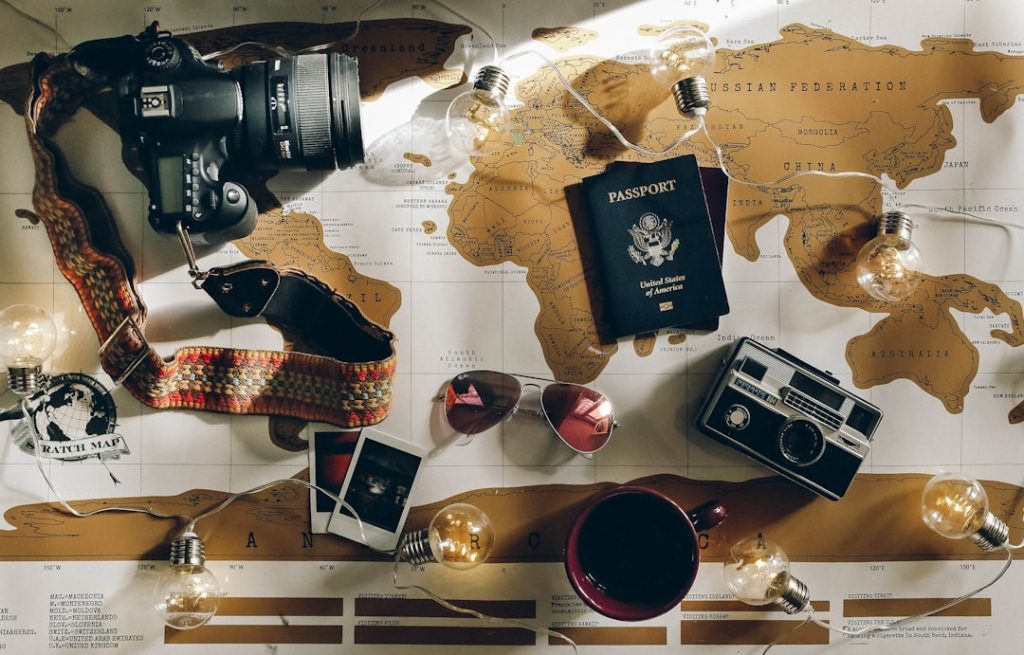
Photo by Charlotte Noelle on Unsplash
Photo by Priscilla Du Preez 🇨🇦 on Unsplash
Photo by Chris Lawton on Unsplash