
Authentic Cultural Immersion: The Key to Meaningful Travel in Tuscany
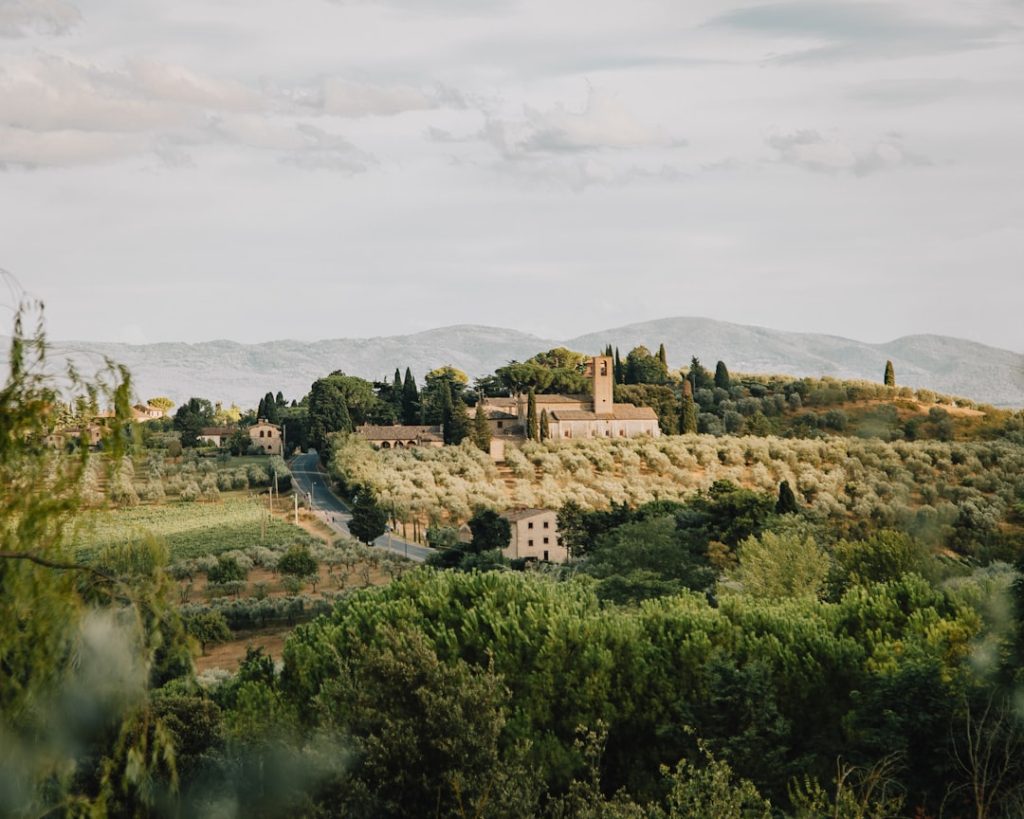
Modern travelers increasingly reject surface-level tourism in favor of deeper, more meaningful connections with their destinations. I believe this shift represents a fundamental evolution in how we approach travel—moving beyond Instagram-worthy snapshots to genuine cultural understanding. This trend is particularly evident in regions like Tuscany, where discerning visitors seek authentic experiences that transcend typical tourist activities.
The concept of immersive travel through local connections isn’t just a marketing buzzword—it’s a necessity for anyone serious about understanding a place. In my view, travelers who limit themselves to guidebook recommendations and crowded attractions are missing the essence of what makes destinations truly special. The real magic happens when you engage with locals who can share their personal stories, traditions, and perspectives.
Small-group cultural tours that emphasize authentic local experiences represent the gold standard for this type of travel. These carefully curated journeys focus on meaningful encounters with family-run businesses, traditional artisans, and local food producers rather than rushing through a checklist of famous landmarks. For travelers seeking genuine cultural immersion, this approach offers unparalleled value.
The Medieval Castle Experience
Staying in historic accommodations like medieval castle villages transforms the entire travel experience. I find that these unique lodging options—such as privately owned castle estates nestled in the Tuscan countryside—provide an atmospheric foundation that modern hotels simply cannot match. The authenticity of sleeping within centuries-old stone walls creates an immediate connection to the region’s rich history.

However, this type of accommodation isn’t suitable for everyone. Travelers who prioritize modern amenities and standardized hotel services might find historic properties challenging. The charm of medieval architecture often comes with quirks that some visitors may find inconvenient rather than enchanting.
Beyond Tourist Attractions
The most rewarding travel experiences occur when you venture beyond conventional sightseeing. Activities like exploring hidden rooftop terraces of historic cathedrals offer perspectives that typical tourists never discover. These exclusive access opportunities provide both spectacular views and a sense of privileged insight into architectural marvels.
Participating in traditional activities alongside locals—such as truffle hunting expeditions followed by farm-fresh meals—creates memories that far surpass standard restaurant dining. I believe these hands-on experiences are invaluable for understanding regional culture and agricultural traditions. The combination of outdoor adventure and culinary education appeals particularly to food enthusiasts and nature lovers.
Artisanal Craftsmanship and Family Traditions
Visiting family-operated farms and workshops provides insight into traditional craftsmanship that’s rapidly disappearing in our globalized world. Witnessing artisanal cheesemaking processes, participating in olive oil tastings, and learning from master craftspeople offers educational value that extends far beyond entertainment.

These experiences are particularly meaningful for travelers interested in sustainable tourism and supporting local economies. By engaging directly with family businesses, visitors contribute to preserving traditional skills and cultural heritage. However, travelers seeking fast-paced itineraries or those uncomfortable with intimate group settings might find these slow-travel approaches frustrating.
Culinary Immersion and Cultural Learning
Hands-on cooking classes represent one of the most effective ways to understand regional culture through food. Learning traditional techniques from local chefs provides skills that travelers can recreate at home, extending the travel experience long after the trip ends. I consider culinary education an essential component of meaningful cultural travel.
The farm-to-table dining philosophy prevalent in Tuscany offers lessons in sustainable living and seasonal eating that urban travelers often lack. These experiences are particularly valuable for food professionals, cooking enthusiasts, and anyone interested in sustainable lifestyle practices.
This type of immersive cultural travel is ideal for sophisticated travelers who value quality over quantity and prefer depth over breadth in their experiences. It’s not suitable for budget-conscious travelers or those who prefer independent exploration over structured group activities. The investment in authentic experiences pays dividends in cultural understanding and personal enrichment that traditional tourism simply cannot provide.
Photo by Alexander Henke on Unsplash
Photo by Federico Di Dio photography on Unsplash
Photo by Rowan Heuvel on Unsplash