
Creating Sanctuary: How Health Challenges Taught Me to Transform Any Space Into a Haven
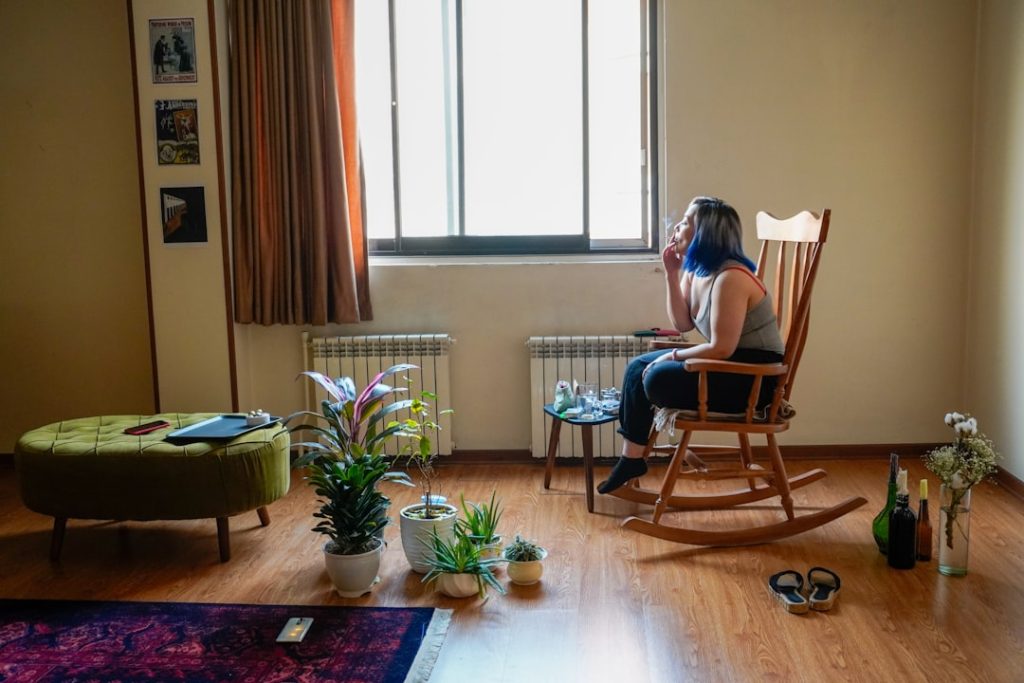
When life throws you a curveball in the form of a serious health diagnosis, everything changes—including how you view the spaces you inhabit. I believe that for those of us dealing with chronic illness or housing instability, creating a sense of safety and comfort in our environment isn’t just nice to have; it’s absolutely essential for survival and wellbeing.
The reality is that not everyone has the luxury of a permanent, perfectly designed home. But what I’ve discovered through my own journey is that you don’t need a mortgage or a Pinterest-perfect space to create an environment that nurtures your soul and supports your health needs.
Why Environmental Intentionality Matters More Than You Think
Here’s what I’ve learned: when your body feels unreliable, your surroundings become your anchor. This isn’t about having expensive furniture or following the latest design trends—it’s about creating deliberate choices that serve your specific needs. I think too many people underestimate the profound impact our physical environment has on our mental and physical health.
For individuals managing chronic conditions, elderly people, or anyone experiencing housing uncertainty, these strategies can be life-changing. However, if you’re someone who moves frequently for work or lifestyle reasons without health concerns, you might find some of these approaches unnecessarily detailed.

Six Practical Strategies for Any Living Situation
Establish Consistent Comfort Rituals
I’ve found that creating the same calming routine regardless of location helps signal safety to your nervous system. This could be as simple as always having the same pillow arrangement or using identical lighting patterns. What matters isn’t the specific ritual, but the consistency across different spaces.
Prioritize Functional Accessibility
This is where I think many people miss the mark—they focus on how things look rather than how they work. Arrange your essential items within easy reach, create clear pathways, and ensure you can navigate your space even on difficult days. This approach benefits anyone with mobility challenges, but it’s also valuable for parents with small children or older adults.
Invest in Portable Comfort Elements
Some items are worth carrying from place to place because they instantly transform any space. I’m talking about things like a favorite blanket, essential oil diffuser, or specific lighting that makes you feel grounded. These aren’t frivolous purchases—they’re tools for emotional regulation.
Create Visual Calm
Clutter and chaos in your environment directly impact your stress levels, especially when you’re already dealing with health challenges. I believe in keeping surfaces clear and having designated homes for everything. This strategy works particularly well for people with anxiety, ADHD, or chronic fatigue, though minimalism enthusiasts might find it too basic.

Establish Temperature and Air Quality Control
Many chronic conditions are sensitive to environmental factors like temperature, humidity, and air quality. Having portable fans, air purifiers, or heating elements that you can use anywhere gives you control over these variables. This is crucial for people with respiratory conditions, autoimmune disorders, or temperature regulation issues.
Design Flexible Rest Spaces
Not everyone has the privilege of a dedicated bedroom, but everyone deserves a space where they can truly rest. I’ve learned to create comfortable resting areas using portable furniture, strategic pillow arrangements, and room dividers. This approach is invaluable for people in studio apartments, shared housing, or temporary living situations.
Who This Approach Really Serves
In my experience, these strategies are most beneficial for individuals managing chronic illness, people experiencing housing instability, caregivers, and anyone whose living situation requires frequent adaptation. The techniques also work well for college students, military families, or anyone in transitional life phases.
However, if you’re someone with a stable living situation and no health concerns, you might find this level of environmental intentionality unnecessary. Some people thrive in chaotic or constantly changing environments—and that’s perfectly valid too.
What I want people to understand is that creating safety and comfort in your environment isn’t about having perfect circumstances. It’s about working with what you have and making deliberate choices that support your wellbeing. When your health or housing situation is uncertain, your environment becomes one of the few things you can control—and that control can be profoundly healing.
Photo by Patrick Perkins on Unsplash
Photo by Annie Spratt on Unsplash