
Crude Oil Markets Surge Amid Escalating Middle East Military Tensions
Global energy markets experienced significant volatility as crude oil prices surged following the latest military escalation between Washington and Tehran. Both major oil benchmarks posted substantial gains as geopolitical tensions in the Middle East intensified, casting serious doubt over any prospects for diplomatic resolution.
The petroleum market’s reaction underscores just how fragile global energy security remains when major oil-producing regions face military conflict. In my view, this latest price spike serves as a stark reminder that investors and consumers alike remain at the mercy of geopolitical chess games played out in one of the world’s most strategically important regions.

What strikes me as particularly concerning is how quickly energy markets respond to military actions, even limited ones. This volatility primarily affects everyday consumers who see gas prices fluctuate at the pump, while energy traders and oil companies often benefit from the uncertainty. The winners in this scenario are typically those with substantial oil reserves or those positioned to profit from price swings, while ordinary citizens and energy-dependent industries bear the cost.
For portfolio managers and energy sector investors, these developments represent both opportunity and risk. Those holding energy stocks or oil futures likely saw immediate gains, but the sustainability of these price increases depends entirely on how far this military confrontation escalates. I believe smart investors should view this as a short-term trading opportunity rather than a fundamental shift in energy markets.

The broader implications extend beyond immediate market movements. This situation demonstrates why energy independence remains such a critical policy objective for major economies. Countries heavily reliant on Middle Eastern oil exports find themselves particularly vulnerable to these geopolitical shocks, while nations with diverse energy portfolios or domestic production capabilities can weather such storms more effectively.
From my perspective, the most troubling aspect isn’t the price volatility itself, but what it reveals about the fragility of global energy infrastructure. Any serious disruption to Middle Eastern oil production or shipping routes could trigger far more severe market reactions than what we’re seeing now. This makes the current situation a canary in the coal mine for potentially larger disruptions ahead.
The diplomatic ramifications appear equally significant. Peace negotiations, already tenuous at best, now face additional obstacles as military actions on both sides harden positions and reduce room for compromise. I find it difficult to see how meaningful dialogue can progress when both parties are simultaneously engaging in military strikes.
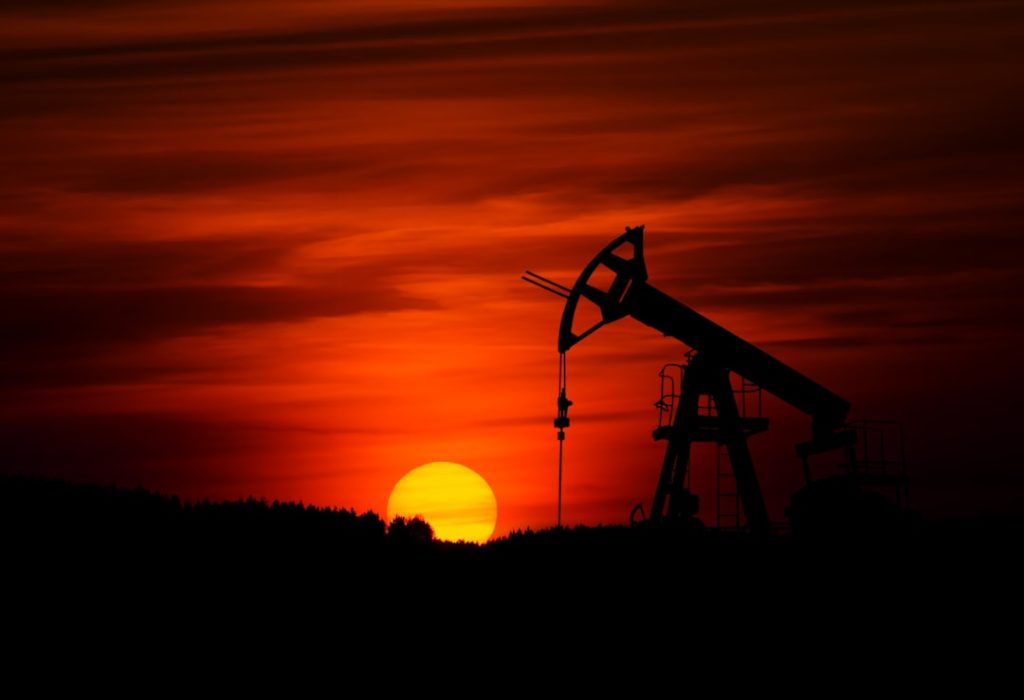
Photo by Zbynek Burival on Unsplash
Photo by David Thielen on Unsplash
Photo by Documerica on Unsplash