
Designer’s Return to Italian Fashion House Yields Cinematic Cruise Collection
When a creative director returns to their fashion roots after decades away, the result can be either nostalgic rehashing or inspired reinvention. In this case, we’re witnessing the latter—and it’s exactly what the luxury fashion industry needs right now. The designer’s intimate knowledge of the brand’s DNA, cultivated during her early career in accessories during the late 1980s, brings an authenticity that external hires often struggle to achieve.
This inaugural cruise collection demonstrates why hiring from within can be a masterstroke for heritage luxury brands. The designer has crafted a narrative that speaks directly to fashion insiders while remaining accessible to contemporary consumers—no easy feat in today’s fragmented market. Her decision to honor a 1977 experimental fashion film shows sophisticated cultural literacy that will resonate with collectors and fashion historians.

What strikes me most about this collection is its unapologetic embrace of texture and tactility. In our increasingly digital world, the emphasis on contrast-woven fabrics, plush leather collars, and fuzzy material patches feels like a deliberate counter-narrative. This approach will particularly appeal to consumers who crave authenticity and craftsmanship over Instagram-ready moments.
The practical luxury approach here is spot-on for today’s discerning clientele. Floor-length trenches paired with functional trousers and the clever double-bag styling—combining everyday totes with statement pieces—speaks to women who refuse to choose between style and substance. This is fashion for the modern professional who needs her wardrobe to work as hard as she does.

However, I question whether the evening wear truly breaks new ground. While the soft glamour pieces are undeniably beautiful, they feel safer than revolutionary. The plunging gowns and liquid skirt sets, though expertly executed, don’t challenge fashion conventions the way the daywear does. For a designer with this pedigree, I expected more risk-taking in the formal category.
The shared wardrobe concept represents the collection’s most forward-thinking element. By creating his-and-hers pieces like matching check prints and metallic tuxedo sets, the designer addresses contemporary relationships where traditional gender boundaries in fashion continue to blur. This approach will particularly resonate with younger luxury consumers who view clothing as gender-fluid expression.
The collaborative philosophy of ‘less I, more us’ feels genuine rather than performative—a refreshing change in an industry often dominated by designer egos. This mindset suggests a sustainable creative vision that prioritizes brand legacy over personal branding, which should serve the house well in the long term.
For fashion enthusiasts and luxury consumers, this collection offers compelling investment pieces that balance heritage with contemporary relevance. However, those seeking groundbreaking innovation might find the approach too reverential to the brand’s past. The collection succeeds brilliantly as luxury fashion but doesn’t necessarily push the medium forward as art form.
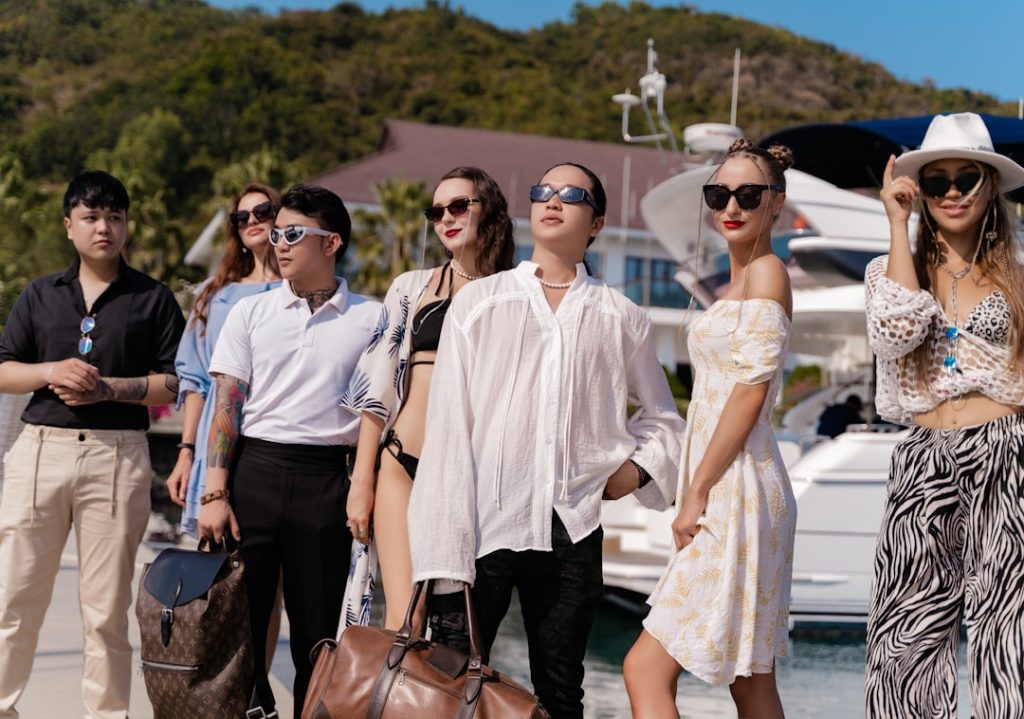
Photo by Quan Nguyen on Unsplash