
Iconic Hollywood Star’s Golden Opera Coat Headlines Prestigious Fashion Auction
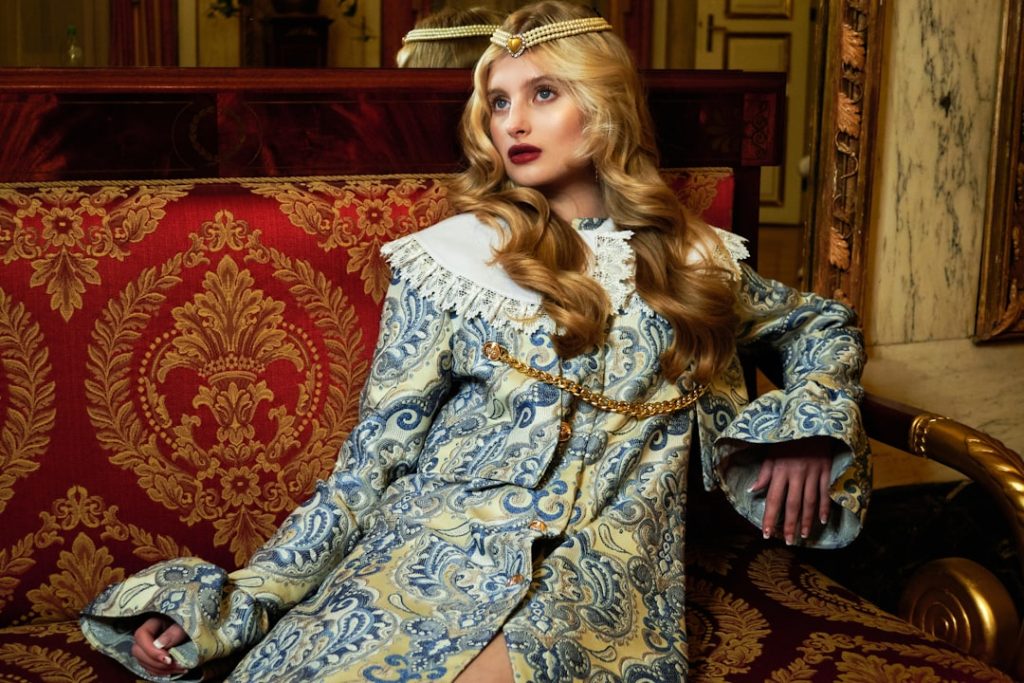
The world of high-end fashion auctions is about to witness something truly extraordinary, and frankly, it’s about time. A stunning gold brocade opera coat once owned by one of Hollywood’s most legendary figures is set to make waves at a major auction house this June, and I believe this represents exactly the kind of cultural preservation we need more of in today’s throwaway society.
What makes this particular piece so compelling isn’t just its Hollywood pedigree – though that certainly doesn’t hurt. The mid-length coat, crafted in the early 1960s with an intricate floral brocade pattern and dramatic oversized collar, bears the personal touch that collectors dream of: the owner’s initials embroidered in red thread on the interior lining. The garment originated from Mohan’s, a prestigious Hong Kong tailor, demonstrating the global reach of luxury fashion even decades ago.
For serious collectors and fashion historians, this coat represents something far more valuable than its estimated $12,000 to $18,000 price tag suggests. I think we’re looking at a piece that encapsulates an entire era of glamour and sophistication that simply doesn’t exist in today’s fast-fashion world. The craftsmanship alone – that hand-stitched brocade work – represents hours of skilled labor that you’d be hard-pressed to find replicated today at any price point.

The coat’s provenance tells a fascinating story of Hollywood’s inner circle. Originally loaned to the star’s publicist for a historic political event in 1962, it later passed through the hands of an acting coach before disappearing from public view for nearly 25 years. This kind of documented history is what separates genuine collectibles from mere celebrity memorabilia, and it’s why I believe this piece will likely exceed its estimate.
However, let’s be realistic about who this auction serves. While the historical significance is undeniable, pieces like this primarily benefit wealthy collectors and museums rather than the general public. The average fashion enthusiast will never own something of this caliber, which raises questions about whether such items should remain in private hands or find their way to public institutions where more people could appreciate them.
The auction house is also featuring another remarkable piece that I find equally intriguing – a Belle Époque era necklace from the personal collection of renowned Australian opera singer Dame Nellie Melba. Dating to around 1910, this Cartier creation showcases seed pearls linked with diamond-set spacers in scroll and floral motifs, culminating in a circular pendant with radiating floral design. The estimated value of 60,000 to 80,000 pounds reflects both the craftsmanship and the revolutionary use of platinum that defined the era.

What strikes me most about both pieces is how they represent a time when luxury goods were built to last generations, not seasons. The Cartier necklace exemplifies the house’s early mastery of platinum work during a period when such innovation was genuinely groundbreaking. For jewelry enthusiasts and historians of decorative arts, this represents an opportunity to own a piece that bridges the gap between Victorian excess and modern minimalism.
The timing of these auctions feels particularly relevant given the current fashion industry’s renewed interest in opera coats and dramatic evening wear. Designers are once again embracing the kind of theatrical glamour these pieces represent, making them not just historical artifacts but sources of contemporary inspiration.
For investors, both pieces offer something that modern luxury goods often lack: genuine scarcity combined with documented provenance. Unlike today’s limited editions that are manufactured in the thousands, these are truly one-of-a-kind items with stories that can’t be replicated. That said, the market for such pieces remains relatively niche, appealing primarily to serious collectors rather than casual buyers looking for quick returns.
Photo by ola szkolda on Unsplash
Photo by Karl Raymund Catabas on Unsplash