
May Fashion Spotlight: Industry Collaborations and Fresh Launches Reshape Style Season
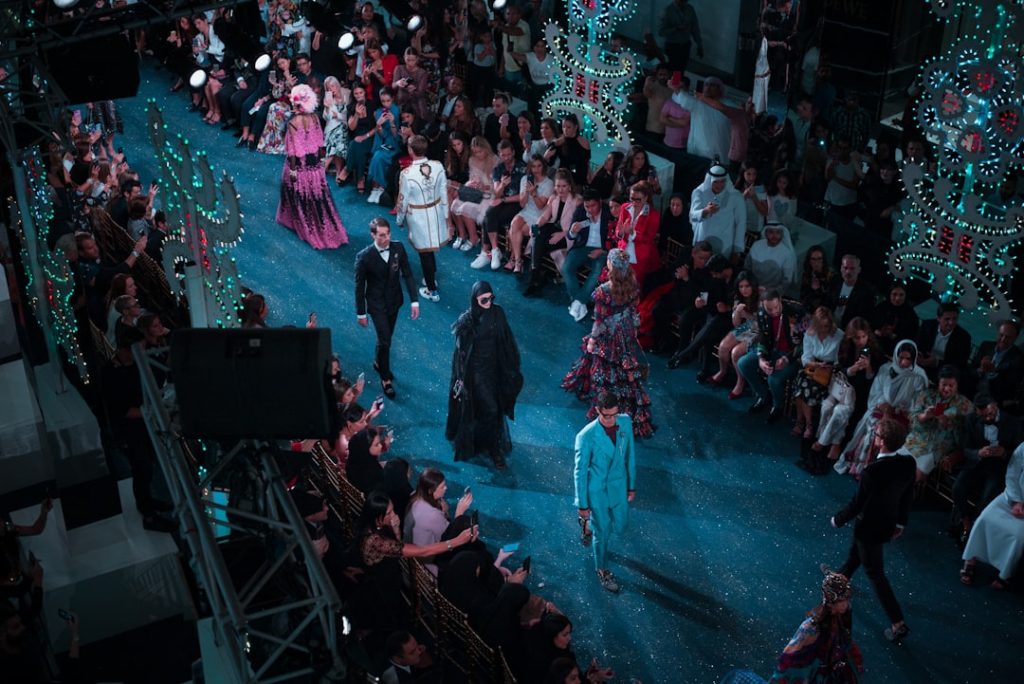
Spring represents the perfect moment for fashion reinvention, and this May delivered exactly that energy. I find it fascinating how luxury brands are increasingly embracing collaborative partnerships and experiential retail concepts – a strategic shift that speaks to changing consumer expectations. What we’re witnessing isn’t just about product launches; it’s about brands creating cultural moments that resonate beyond traditional fashion circles.
Khaite Partners with Net-a-Porter for Italian-Inspired Collection
The collaboration between Khaite and Net-a-Porter demonstrates how established brands are leveraging exclusive partnerships to create buzz. Their Florence celebration at Villa San Michele was more than just a launch event – it was a masterclass in lifestyle marketing. I think this approach works brilliantly for Khaite’s target demographic: sophisticated women who appreciate both craftsmanship and experiential luxury.
The collection itself, featuring crinkled voile wrap dresses and canvas accessories, feels perfectly calibrated for the modern traveler. This is relevant for consumers who value versatility and effortless elegance, though it may not appeal to those seeking more structured or avant-garde pieces. The Italian inspiration feels authentic rather than forced, which matters in today’s market where consumers can easily spot manufactured authenticity.

Longchamp and Jeremy Scott Celebrate Two Decades of Creative Partnership
The renewed collaboration between Longchamp and Jeremy Scott showcases the power of long-term creative relationships in fashion. Their limited-edition Le Pliage bag featuring Manhattan skyline graphics feels like a genuine love letter to New York City rather than tourist kitsch. I appreciate how they’ve elevated what could have been a simple postcard design into something that feels collectible.
The retrospective at Longchamp’s SoHo flagship adds cultural weight to what might otherwise be just another product launch. This strategy works well for fashion enthusiasts and collectors, though casual shoppers might find the concept too niche. The key here is understanding that not every collaboration needs mass appeal – sometimes depth of connection with a specific audience matters more than broad reach.
Luxury Brands Embrace Pop-Up Culture and Immersive Experiences
The trend toward temporary retail spaces and immersive brand experiences is reshaping how luxury fashion connects with consumers. These initiatives work particularly well for brands targeting affluent millennials and Gen Z consumers who prioritize experiences over possessions. However, I think traditional luxury shoppers might find some of these concepts gimmicky rather than genuinely valuable.

What’s most interesting is how these collaborations and launches reflect broader industry shifts. Brands are no longer just selling products – they’re selling narratives, experiences, and cultural cache. This matters for consumers who want their fashion choices to reflect their values and lifestyle aspirations, but it may alienate those who simply want beautiful, well-made clothing without the elaborate storytelling.
Tennis-Inspired Luxury and Charitable Fashion Initiatives
The emergence of tennis-themed luxury collections and charity-focused fashion partnerships reveals how brands are tapping into sports culture and social responsibility. These initiatives resonate with consumers who want their purchases to have meaning beyond personal style. I find it encouraging that brands are using their platforms for causes like mental health awareness and ocean conservation.
However, there’s a fine line between authentic advocacy and performative activism. The most successful collaborations feel genuine in their commitment to their chosen causes rather than opportunistic. This approach works for socially conscious consumers but may not influence purchase decisions for those focused purely on aesthetics or brand prestige.
Overall, May’s fashion launches demonstrate an industry in transition – one that’s learning to balance commercial success with cultural relevance and social impact. The brands that succeed in this environment will be those that understand their audience deeply and create authentic connections rather than just beautiful products.
Photo by Michael Lee on Unsplash
Photo by John Cameron on Unsplash
Photo by Fernanda Garcia on Unsplash