
Mediterranean Cruise Line Implements $70 Food Removal Penalty
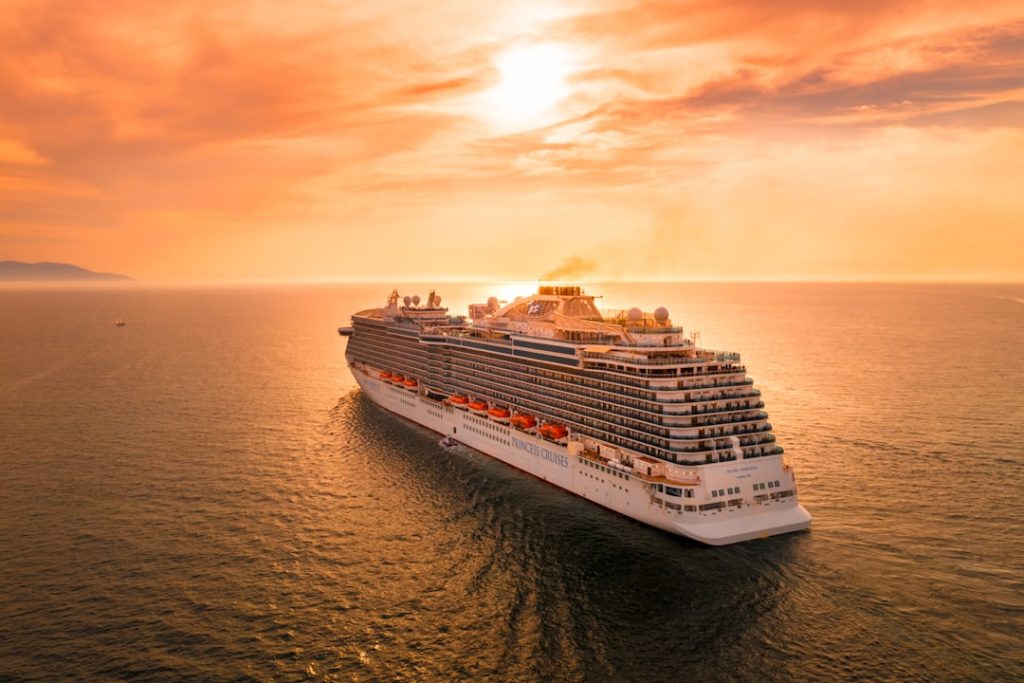
A European cruise operator has introduced hefty financial penalties for passengers who remove food from dining areas, marking what could be a significant shift in how cruise companies manage onboard dining policies.
The Italian-based cruise company issued notices to passengers on select voyages warning that removing food from buffets and restaurants would result in a €60 ($70) fine per incident. The policy specifically prohibits taking meals to cabins, pool areas, or other public spaces outside designated dining zones.
I think this move represents a fascinating case study in how cruise lines are grappling with post-pandemic hygiene concerns versus passenger convenience. While the health rationale makes sense on paper, the execution feels heavy-handed and potentially alienating to customers who have grown accustomed to certain freedoms during their vacation experience.

Industry Response and Passenger Reactions
The cruise line clarified that this wasn’t a fleet-wide policy change but rather a targeted measure for specific sailings. They described it as a “preventive and deterrent measure” to encourage responsible guest behavior, though no other major cruise operators have implemented similar restrictions.
Passenger reactions have been predictably divided. Some travelers appreciate the policy, citing frustrations with abandoned plates and food waste throughout ships. Others argue it undermines the all-inclusive dining experience they expect when paying premium cruise prices.
In my view, this policy primarily benefits passengers who prioritize cleanliness and orderly public spaces over convenience. It’s particularly relevant for travelers who find messy common areas genuinely disruptive to their vacation experience. However, it’s likely to frustrate families with young children, passengers with mobility issues, or anyone who values the flexibility to dine privately in their stateroom.

Broader Industry Implications
This development comes amid a wave of new cruise line regulations addressing passenger behavior. Other companies have recently issued guidelines about cabin door decorations, citing safety concerns about blocked peepholes and fire hazards from battery-powered ornaments.
What strikes me as particularly interesting is how cruise lines are walking the tightrope between maintaining their “floating resort” appeal while implementing increasingly restrictive policies. The challenge lies in enforcing rules without making passengers feel like they’re staying in a heavily regulated institution rather than enjoying a luxury vacation.
The timing of these policies suggests cruise companies are still recalibrating their operations in response to heightened health awareness and changing passenger expectations. While some travelers will welcome stricter hygiene measures, others may view them as unnecessary micromanagement of their vacation experience.
For potential cruisers, this policy shift matters most if you’re someone who regularly takes food back to your cabin or prefers eating in private spaces. If you typically dine exclusively in designated restaurants and buffet areas, this change won’t affect your cruise experience at all. The real test will be whether other cruise lines follow suit or if this remains an isolated experiment in passenger behavior management.
Photo by Alonso Reyes on Unsplash
Photo by Peter Hansen on Unsplash
Photo by Josiah Weiss on Unsplash