
Smart Home AI Assistants Finally Get Smarter About Adult Content Filtering
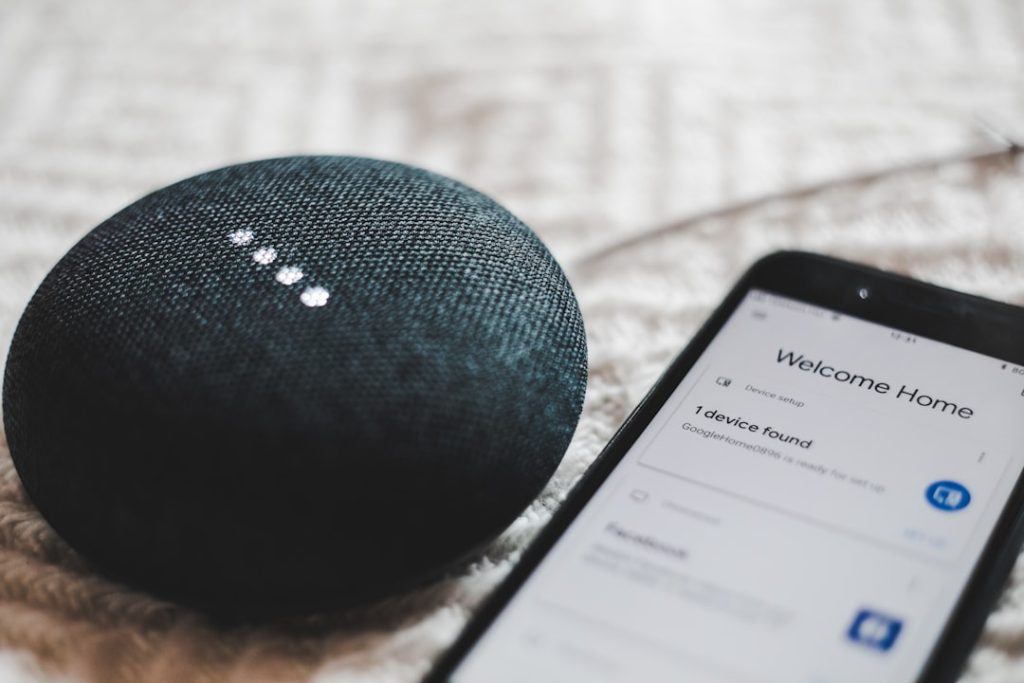
The world of smart home technology just took a practical step forward with improved content filtering for adult users. Voice assistants in connected home devices have long struggled with overly restrictive safety measures that treated all users like children, creating frustrating experiences for legitimate adult queries.
I think this development represents a significant maturation in how AI systems handle age-appropriate content. The technology has finally caught up to the reality that adults should be able to ask their smart home devices for cocktail recipes without being treated like minors trying to access inappropriate content. This change matters because it addresses one of the most annoying aspects of current smart home AI – the tendency to be overly cautious at the expense of user experience.
Who Benefits Most From These Updates
Adult homeowners who enjoy entertaining will find these improvements most valuable. If you’re someone who frequently hosts dinner parties or enjoys crafting cocktails at home, having your smart display provide recipe assistance without arbitrary restrictions is genuinely useful. The enhanced personalization features also cater well to busy families who rely on their smart home systems for security monitoring and daily coordination.

However, I believe these updates are less relevant for users who primarily use their smart home devices for basic functions like weather updates, music playback, or simple timer setting. If you’re not interested in recipe assistance or advanced home monitoring features, these changes won’t significantly impact your daily experience.
Technical Improvements That Actually Matter
The addition of thumbs-up and thumbs-down feedback buttons on smart displays represents a smart approach to improving AI responses. This direct feedback mechanism should help the system learn user preferences more effectively than previous methods. I find this particularly important because it gives users agency in training their own devices rather than relying solely on broad algorithmic improvements.
The faster alarm-setting functionality addresses a common frustration point. Anyone who has repeatedly shouted at their smart speaker to set a simple alarm will appreciate reduced wait times and fewer failed command attempts. These seemingly minor improvements often have the biggest impact on daily usability.

Privacy and Personalization Considerations
The enhanced personalization features, such as facial recognition for identifying specific individuals like household staff, raise important privacy questions. While convenient for security purposes, I think users need to carefully consider whether they’re comfortable with this level of monitoring and data collection in their homes.
For families with children, the improved parental controls should provide better balance between safety and functionality. Parents can maintain appropriate restrictions for younger users while allowing adult household members to access age-appropriate content without interference.
Overall, these updates reflect a more nuanced understanding of how people actually use smart home technology in their daily lives. The improvements prioritize practical functionality over excessive caution, which I believe is the right direction for this technology to evolve.
Photo by BENCE BOROS on Unsplash
Photo by Sebastian Scholz (Nuki) on Unsplash
Photo by Jakub Żerdzicki on Unsplash