
Smart Ring Technology Advances with Ultra-Compact Health Monitoring Device
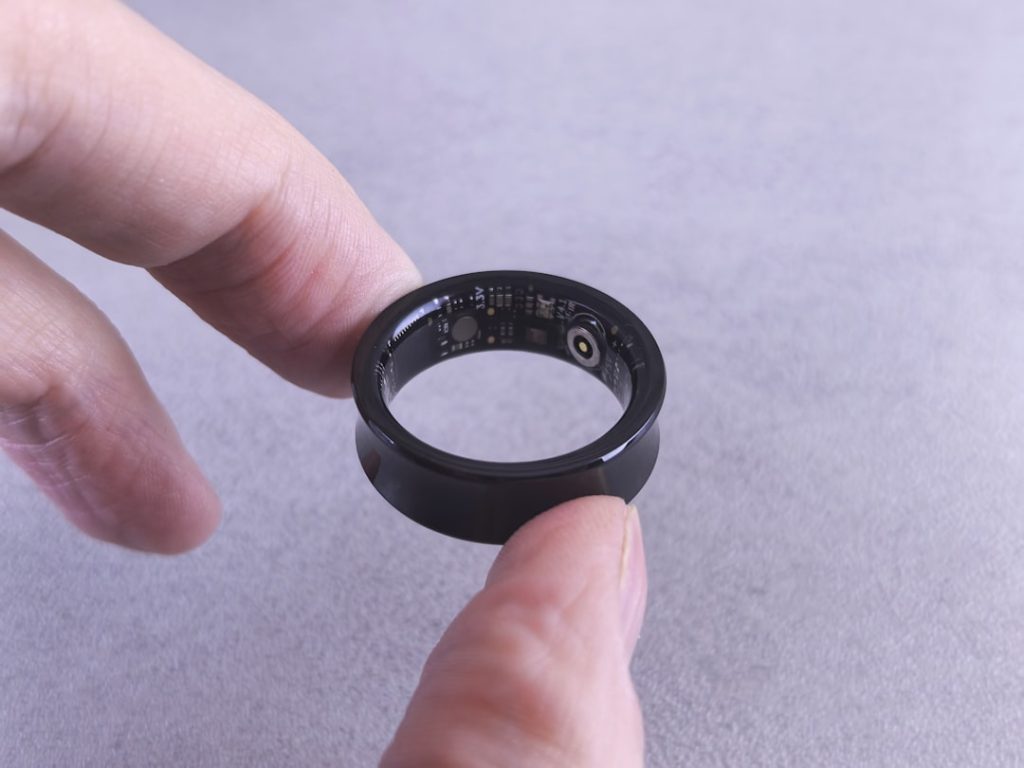
The wearable technology sector continues to evolve with the introduction of a revolutionary fifth-generation smart ring that represents a significant leap forward in miniaturization and functionality. This latest iteration demonstrates how health monitoring devices are becoming increasingly sophisticated while simultaneously shrinking in size.
What strikes me most about this development is the impressive engineering achievement of reducing the device’s footprint by 40% compared to its predecessor. This isn’t just about making gadgets smaller for the sake of it – it’s about addressing real user concerns about comfort and wearability that have historically limited adoption of smart rings.

The enhanced sensing capabilities represent what I believe is the most crucial advancement. More accurate biometric monitoring means users can finally trust these devices for serious health tracking rather than treating them as novelty gadgets. This matters enormously for individuals managing chronic conditions or those serious about optimizing their wellness routines.
I think this technology is particularly valuable for professionals who need discrete health monitoring throughout their workday, athletes seeking continuous performance data, and older adults who want unobtrusive health tracking. However, I’m skeptical about its appeal to casual fitness enthusiasts who might find a $399 price point steep for features they won’t fully utilize.

The improved battery life addresses one of my biggest frustrations with earlier smart ring generations. Nothing undermines user confidence like a device that requires frequent charging, especially when it’s meant to provide continuous monitoring. This enhancement suggests the manufacturers are finally prioritizing practical usability over flashy features.
From my perspective, this represents a maturation of the smart ring category. While smartwatches dominate the wearable market, rings offer unique advantages for users who prefer minimal, jewelry-like devices that don’t interfere with daily activities. The technology is reaching a point where it can compete seriously with traditional fitness trackers in terms of accuracy and reliability.
I believe this device will appeal most to tech-savvy health enthusiasts who value discretion and comprehensive monitoring. It’s less suitable for budget-conscious consumers or those who prefer the visual feedback and app ecosystem that smartwatches provide. The success of this technology will ultimately depend on whether users find the convenience worth the premium pricing.
Photo by Andrey Matveev on Unsplash