
Sustainable Meat Cooking: A Chef’s Guide to Ethical Carnivory
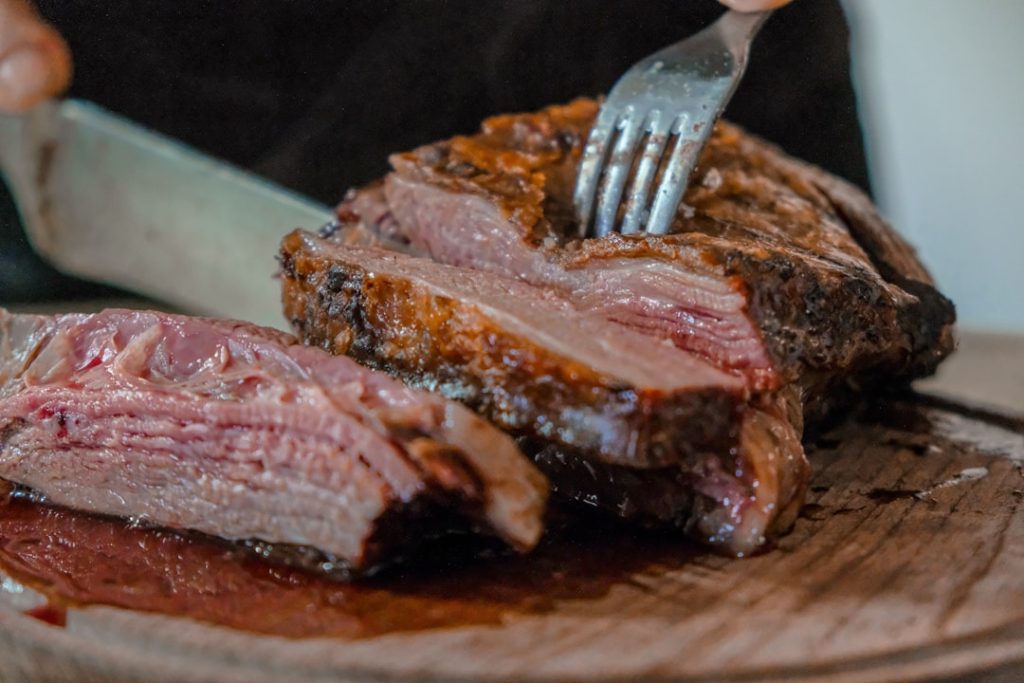
The debate around meat consumption has reached a fever pitch in recent years, with environmental concerns and animal welfare issues driving many toward plant-based alternatives. However, I believe there’s a middle ground that deserves serious consideration: sustainable, ethical meat consumption that prioritizes quality over quantity and waste reduction over restriction.
A prominent food writer has recently updated his cookbook celebrating this very philosophy, featuring 120 recipes that showcase how to approach meat consumption responsibly. The book includes a dedicated section on reduced-meat options, acknowledging that moderation is key to sustainable eating practices.
This approach resonates with me because it’s realistic for the majority of people who aren’t ready to completely eliminate animal products from their diets. Rather than demanding an all-or-nothing approach, it advocates for buying the highest quality meat you can afford and utilizing every part to minimize waste. This philosophy makes sense for families who want to reduce their environmental impact without dramatically altering their lifestyle.
Portuguese-Style Pork and Clam Combination
This Iberian-inspired dish demonstrates how small amounts of quality pork can be enhanced with seafood to create a satisfying meal. The recipe calls for two pork tenderloins serving four people, which I think perfectly illustrates the ‘less but better’ philosophy.
Serves: 4
Ingredients:

- 800g pork tenderloin, trimmed and cut into 2cm pieces
- Half bottle dry white wine
- 2 heaped teaspoons hot paprika
- 1 bay leaf
- 4 garlic cloves, thinly sliced
- Sea salt and black pepper
- 1kg live clams in shells
- 3 tablespoons olive oil
- 2 sliced onions
- 4 tomatoes, peeled and chopped
- Fresh parsley, chopped
- Sourdough bread for serving
- Lemon wedges
Method:
- Marinate the pork with 5 tablespoons wine, paprika, bay leaf, half the garlic, salt and pepper for at least one hour.
- Clean clams, discarding any that remain open when tapped. Drain pork, reserving marinade.
- Heat 2 tablespoons oil and cook onions with remaining garlic until golden. Add tomatoes and simmer 10 minutes.
- Pat pork dry and brown in batches in remaining oil over high heat.
- Add marinade and remaining wine to pan, reduce to 6-7 tablespoons, then return pork.
- Add clams to tomato sauce, cover and cook 4-5 minutes until opened. Combine with pork, garnish with parsley.
Spiced Chicken Kebabs with Cooling Yogurt
This recipe transforms the often-maligned kebab into something genuinely appetizing. I appreciate how it elevates simple ingredients through proper seasoning and technique – exactly what home cooks need to make sustainable meat choices more appealing.
Makes: 4 servings
Ingredients:
- 6 boneless chicken thighs, cut into chunks
- Juice of 1 lemon
- 1 tablespoon harissa paste
- 1 tablespoon za’atar
- 1 tablespoon olive oil
- 4 flatbreads
- Chopped lettuce and herbs
For accompaniments:
- 2 chopped tomatoes
- 1 red onion, chopped
- 2 bird’s-eye chillies
- Half cucumber, diced
- 1 tablespoon white wine vinegar
- 200g natural yogurt
- Half cucumber, finely chopped
- 1 green chilli, minced
Method:

- Marinate chicken with lemon, harissa and za’atar for at least one hour.
- Combine tomato salad ingredients and let sit 10 minutes.
- Mix yogurt with cucumber and green chilli for raita.
- Cook drained chicken in heated oil for 3 minutes per side until thoroughly cooked.
- Warm breads, spread with raita, add lettuce, salad, chicken and herbs.
Traditional Cornish Pastry
This recipe represents everything I believe about sustainable meat consumption: using modest amounts of quality beef, combined with vegetables, wrapped in proper pastry. It’s hearty, portable, and uses raw ingredients that cook together perfectly.
What strikes me about this approach is its honesty – no fancy ingredients or complicated techniques, just good beef, vegetables, and pastry. This is exactly what sustainable meat eating should look like for most families.
Makes: 2 large pasties
Pastry ingredients:
- 225g plain flour
- Pinch of salt
- 50g lard, chilled
- 50g hard margarine, chilled
- Milk for glazing
Filling ingredients:
- 1 potato (150g), thinly sliced
- 50g swede, thinly sliced
- 115g beef chuck, finely diced
- Quarter small onion, sliced
- Salt and white pepper
Method:
- Mix flour and salt, rub in fats, add 2-3 tablespoons water to form smooth dough.
- Divide into two portions.
- Preheat oven to 180C. Line baking sheet with parchment.
- Roll each portion into 20cm circles. Layer potato, swede, beef, onion, seasonings and more potato off-center.
- Fold pastry over, crimp edges, place on baking sheet.
- Glaze with milk, make small hole on top, bake 40 minutes until golden.
This approach to meat consumption makes sense for people who want to eat more ethically without completely changing their diet. It’s particularly relevant for families with children who might resist dramatic dietary changes, or for those in areas where quality plant-based alternatives aren’t readily available or affordable.
However, this philosophy won’t satisfy those who believe any animal product consumption is unethical, nor will it appeal to people looking for the convenience of highly processed foods. It requires more planning, better shopping habits, and often higher upfront costs – though the per-serving cost can be lower when you’re using every part of quality ingredients.
Photo by José Ignacio Pompé on Unsplash
Photo by Vitor Monthay on Unsplash