
The Most Compelling Fall/Winter 2026 Fashion Campaigns Capturing Industry Attention
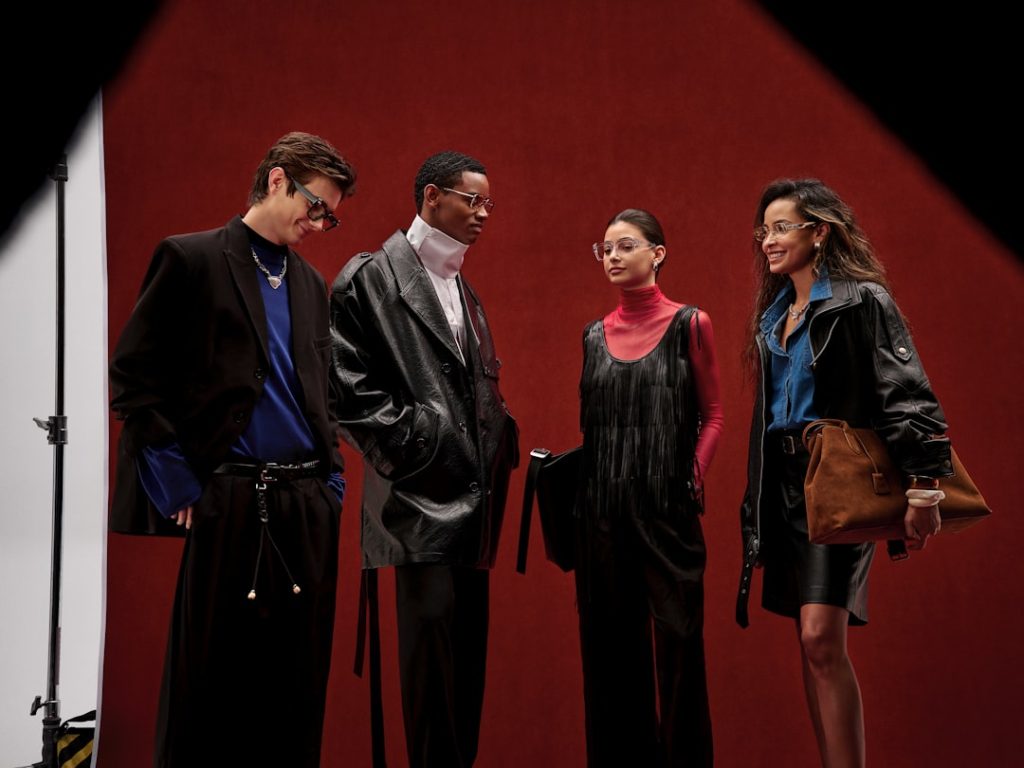
As the fashion industry rolls out its Fall/Winter 2026 campaigns, we’re witnessing a fascinating shift in how luxury brands are positioning themselves for the upcoming season. What strikes me most about this current wave of campaigns is the deliberate move toward more intimate, personal storytelling rather than the grandiose spectacles we’ve grown accustomed to.
The Rise of Authentic Narratives
The standout campaigns this season aren’t just selling clothes—they’re selling stories. Take the recent work featuring Sarah Pidgeon for a major European luxury house. What I find particularly compelling about this approach is how it reflects a broader industry recognition that consumers, especially younger demographics, are craving authenticity over aspiration.
This trend matters significantly for fashion enthusiasts who follow campaign imagery closely, but I’d argue it’s less relevant for casual consumers who primarily shop based on product appeal rather than brand narrative. The shift benefits creative directors and photographers who can now explore more nuanced visual storytelling, though it may alienate traditional luxury consumers who prefer the exclusivity of high-glamour campaigns.
Who Benefits from This Creative Direction
In my opinion, this season’s campaign strategy particularly serves emerging actors and models who can showcase range beyond traditional fashion poses. The industry is clearly investing in talent that can convey emotional depth, which opens doors for performers who might not fit conventional fashion beauty standards but possess compelling screen presence.
However, I believe this approach doesn’t serve brands that rely heavily on immediate product recognition. When campaigns prioritize storytelling over clear product showcase, they risk confusing consumers who want straightforward information about what they’re buying.
The Creative Risk Assessment
What fascinates me about the current campaign landscape is how brands are balancing creative risk with commercial necessity. The most successful campaigns this season seem to understand that modern consumers want to feel something when they engage with fashion content, not just desire products.
This evolution benefits fashion photographers and creative directors who have been pushing for more conceptual freedom, but it potentially disadvantages traditional fashion marketing teams who excel at direct product promotion. The brands winning this season are those that have successfully integrated both approaches.
For fashion week attendees and industry insiders, these campaigns represent crucial indicators of where luxury fashion is heading culturally. For everyday consumers, however, the impact may be more subtle—influencing their emotional connection to brands rather than their immediate purchasing decisions.
Photo by Vooglam Eyewear on Unsplash