
The Revolutionary Garden Design Movement That Will Transform American Landscapes by 2026
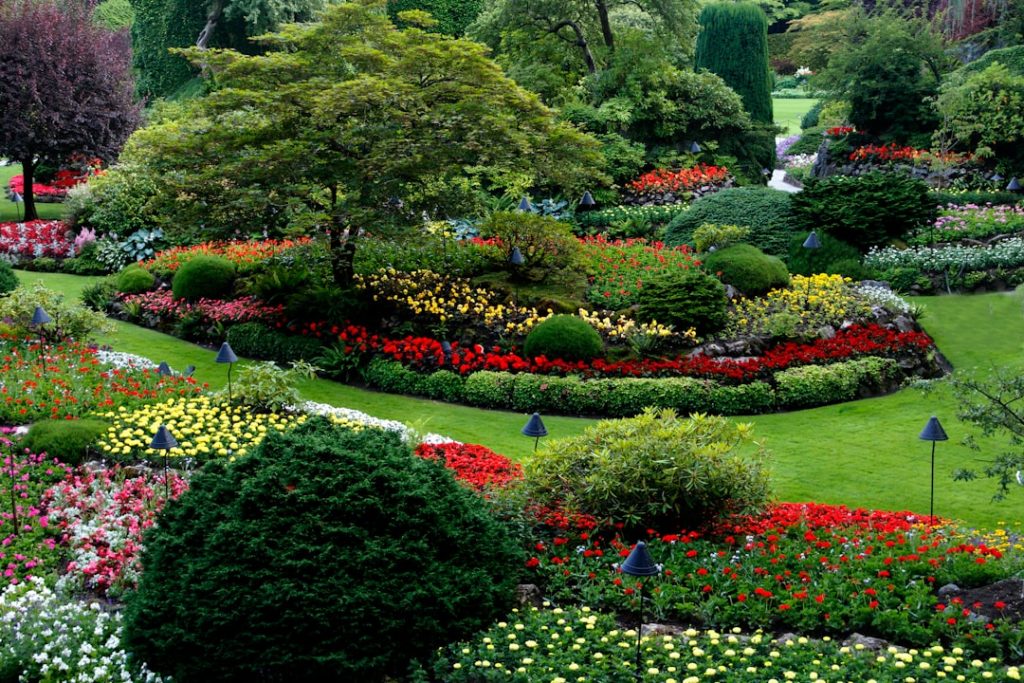
A groundbreaking horticultural trend emerging from Britain’s premier gardening showcase is poised to revolutionize how Americans approach their outdoor spaces. This isn’t just another fleeting design fad – it represents a fundamental shift in our relationship with traditional lawn maintenance and landscape aesthetics.
I believe this movement addresses one of the most pressing issues facing modern homeowners: the environmental and financial burden of maintaining pristine grass lawns. The trend centers on replacing conventional turf with diverse, low-maintenance alternatives that offer both ecological benefits and striking visual appeal.
What makes this particularly exciting is how it challenges the deeply ingrained American obsession with perfect green lawns. For decades, we’ve poured countless hours, gallons of water, and chemical treatments into maintaining grass that frankly serves little practical purpose beyond conforming to neighborhood expectations.

Who Will Benefit Most From This Shift
This trend is absolutely perfect for busy professionals who lack time for weekend lawn care rituals. If you’re someone who dreads spending Saturday mornings behind a mower or feels guilty about your patchy grass, this approach offers genuine liberation. Environmental enthusiasts will also find tremendous value here, as these alternatives typically require 70% less water and eliminate the need for harmful pesticides.
Homeowners in drought-prone regions should pay particular attention to this development. Traditional lawns are becoming increasingly unsustainable in areas facing water restrictions, making alternative ground covers not just trendy but necessary.
The Reality Check: Who Should Think Twice
However, I must be honest about the limitations. Families with young children who need open play spaces might find some alternatives less practical than traditional grass. Sports enthusiasts who use their yards for activities like football or frisbee will likely need to maintain at least some conventional turf areas.

Additionally, homeowners in strict HOA communities may face resistance to dramatic landscape changes. While attitudes are shifting, some neighborhoods still enforce rigid lawn standards that could make adoption challenging.
The Financial Perspective
From a cost standpoint, the initial investment can be substantial, depending on the chosen alternatives. However, the long-term savings on water bills, fertilizers, and maintenance equipment make this financially sensible for most homeowners. I particularly appreciate how this trend aligns economic benefits with environmental responsibility.
The timing couldn’t be better, as climate concerns and water conservation efforts continue gaining momentum across the country. This isn’t just about following British garden fashion – it’s about adapting our landscapes to meet 21st-century challenges while creating more interesting, sustainable outdoor environments.
What excites me most is how this movement encourages creativity and personal expression in ways that uniform grass lawns never could. The variety of textures, colors, and seasonal changes possible with alternative plantings opens up entirely new possibilities for landscape design that reflect individual tastes rather than conforming to a single aesthetic standard.
Photo by Jan Canty on Unsplash
Photo by Raelle Cameron on Unsplash
Photo by James Lewis on Unsplash