
The Rise of Fashion Heritage Dressing: When Actors Channel Iconic Style Moments
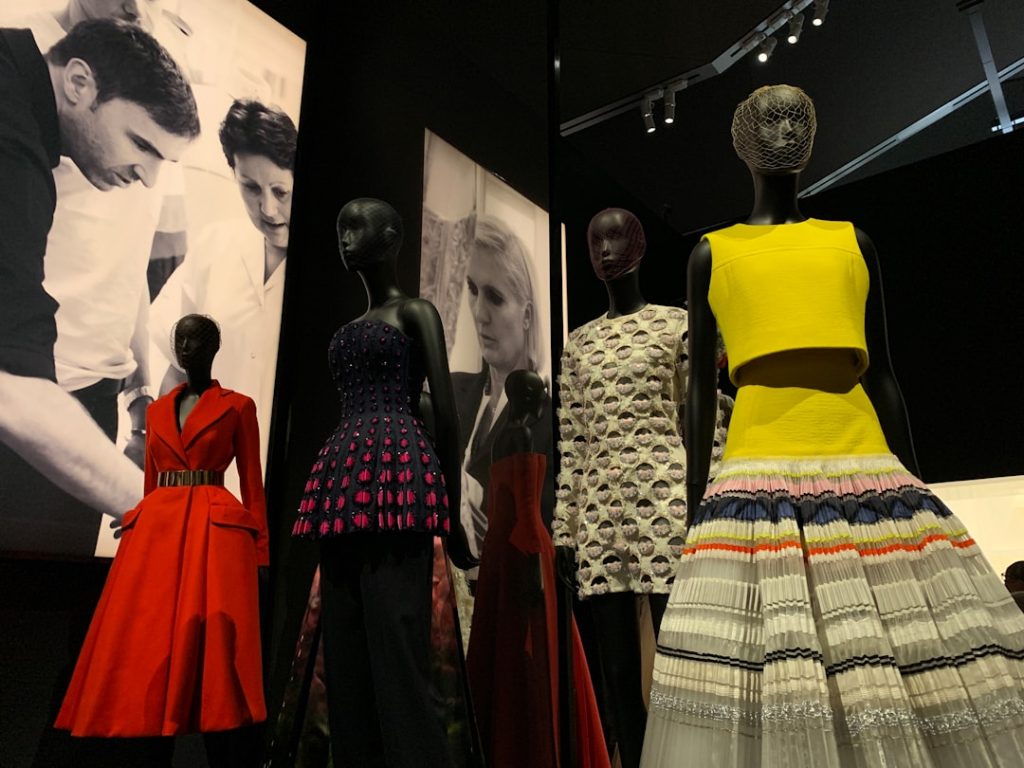
The entertainment industry has discovered a fascinating new approach to promotional styling that goes far beyond traditional red carpet fashion. Instead of simply wearing designer gowns, actors are now channeling specific fashion icons through carefully curated vintage pieces that tell a deeper story.
This trend has reached new heights with the recent film “Moss and Freud,” where actress Ellie Bamber portrays supermodel Kate Moss during a significant moment in fashion history. The movie explores the relationship between the legendary model and renowned artist Lucien Freud, focusing on their collaboration when Moss posed for him while pregnant around the year 2000.
What makes this approach particularly compelling is how it bridges the gap between character research and personal style expression. Rather than relying on costume replicas, Bamber’s stylist Aimee Croysdill spent over a year sourcing authentic vintage pieces that Moss herself wore on runways and in campaigns throughout the 1990s and early 2000s.
I find this evolution in celebrity styling absolutely brilliant. It’s not just about looking good at premieres anymore – it’s about creating a narrative that connects the actor’s promotional appearances to their on-screen work. This approach benefits everyone involved: fashion houses get to showcase their archival pieces, actors demonstrate their commitment to their roles, and audiences get a richer understanding of the cultural moments being depicted.
However, this trend isn’t without its challenges and limitations. Working with archival fashion requires extreme care and specific expertise. As Croysdill notes, many pieces are so fragile they belong in museums rather than on red carpets. The styling process becomes an exercise in historical preservation, with strict rules about alterations, steaming temperatures, and handling procedures.

The Hunt for Authentic Pieces
The sourcing process reveals just how accessible – and inaccessible – fashion history can be. Some pieces come from luxury fashion houses’ own archives, carefully preserved and catalogued. Others are discovered on resale platforms like Vestiaire Collective, where Bamber herself found a metallic Versace skirt from a 1994 collection that fit “like a glove” without any alterations needed.
This democratization of fashion history through resale platforms is genuinely exciting. It means that iconic pieces aren’t locked away forever – they’re circulating, being worn, and continuing to tell their stories. For fashion enthusiasts with the budget and patience to hunt, platforms like Depop and eBay offer opportunities to own pieces from legendary collections.
Notable Styling Moments
The styling choices for Bamber’s press tour demonstrate the thoughtful curation required for this approach. A pink Versace sweater paired with a metallic skirt from the same 1994 collection created a cohesive look that honored the original while making it contemporary. Similarly, recreating a Calvin Klein look from 1993 required sourcing modern boxer shorts (which, as Croysdill points out, haven’t needed updating since the ’90s) and having custom beadwork created to match the original runway piece.
Perhaps the most poignant example was a Calvin Klein dress from 1997 – the year Bamber was born – borrowed directly from the brand’s archives. The symbolism is perfect: an actress born in the same year as an iconic fashion moment, now wearing that very piece to promote a film about fashion history.
Who This Trend Serves
This heritage dressing approach works exceptionally well for actors in period pieces or biopics, where the connection between character and styling choices creates a coherent narrative. It’s particularly effective for younger actors who can demonstrate their understanding of fashion history and their commitment to their craft.

Fashion brands benefit enormously from this trend, as it provides exposure for their archival pieces and reinforces their historical significance. It’s essentially free advertising that positions them as cultural institutions rather than just commercial entities.
However, this approach isn’t suitable for every actor or every project. It requires significant time, resources, and expertise to execute properly. Actors without established relationships with major fashion houses or experienced archival stylists will find it nearly impossible to access truly significant pieces. The trend also demands a certain level of fashion knowledge and appreciation from both the actor and their team.
The Broader Cultural Impact
What I find most interesting about this trend is how it elevates fashion from mere decoration to storytelling device. When an actor wears a piece that their character’s inspiration actually wore, it creates a tangible connection to history that goes beyond traditional costume design.
This approach also highlights the importance of fashion preservation and the role that vintage resale plays in keeping fashion history alive. It demonstrates that clothing isn’t just about the moment it was created – pieces can continue to have relevance and impact decades later.
For the general public, seeing these archival pieces in action provides education about fashion history in an accessible way. It’s one thing to see a dress in a museum display case; it’s another to see it worn and moving, fulfilling its original purpose as clothing.
The trend does raise questions about accessibility and elitism in fashion. While it’s exciting to see archival pieces being worn rather than stored away, the reality is that only a very select group of people have access to these historically significant garments. This creates a hierarchy where fashion history becomes a luxury commodity available only to those with the right connections and resources.
Ultimately, I believe this evolution in celebrity styling represents a more thoughtful and culturally aware approach to fashion promotion. It respects the artistry and historical significance of great fashion while creating new opportunities for storytelling and cultural connection. As long as it’s executed with proper care and genuine appreciation for the pieces involved, it’s a trend that enriches our understanding of both fashion and film history.
Photo by John Cameron on Unsplash
Photo by Raden Prasetya on Unsplash