
The Rise of Independent Fashion Curation in Social Media
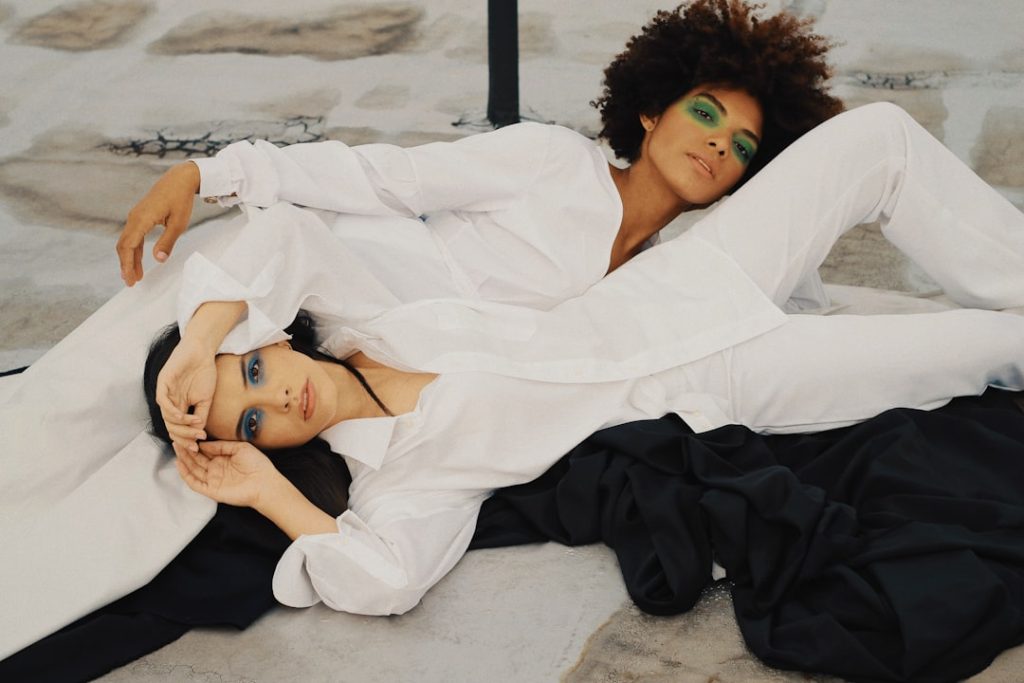
I think we’re witnessing something genuinely refreshing in fashion right now – a collective exhaustion with cookie-cutter trends and mass-market monotony. The explosion of content creators championing independent, lesser-known fashion brands represents more than just another social media trend; it’s a rebellion against the homogenization that has plagued style for years.
What strikes me most about this movement is how it addresses a real problem: fashion fatigue. When everyone shops at the same handful of retailers, wearing identical pieces becomes inevitable. The creators making these discovery videos are performing a valuable service, acting as digital scouts who unearth brands that offer genuine differentiation. This isn’t just about being contrarian – it’s about finding clothes that actually reflect individual personality.
The timing couldn’t be better. We’ve moved past the era of micro-trends that demanded instant participation before vanishing within weeks. Today’s consumers, particularly younger generations, prioritize authenticity over algorithmic suggestions. They want pieces that tell a story, preferably one that doesn’t involve exploitative labor practices or environmental destruction.
Who This Movement Really Serves
This trend primarily benefits fashion enthusiasts with disposable income and patience for higher price points. Independent designers typically charge more because they can’t achieve the economies of scale that mass retailers enjoy. If you’re someone who values craftsmanship, ethical production, and supporting small businesses, these curated recommendations are invaluable.
However, this movement isn’t accessible to everyone. The reality is that many featured brands carry limited size ranges and premium pricing that excludes significant portions of the population. While the intention to promote sustainable fashion is admirable, it inadvertently creates an exclusivity problem that undermines its democratic ideals.

The Creator Economy Impact
Content creators focusing on independent brand discovery occupy a unique position in the influencer ecosystem. Unlike traditional fashion influencers who push fast fashion through affiliate links, these curators often genuinely care about the brands they feature. Their success depends on maintaining credibility rather than maximizing quick sales.
I believe this represents a maturation of influencer culture. Instead of mindless consumption promotion, we’re seeing thoughtful curation that considers long-term value. The creators who succeed in this space understand that their audience seeks guidance, not just product placement.
The Designer Perspective
For independent designers, viral exposure through these videos can be transformative but also overwhelming. A single viral mention can generate months of orders, which sounds positive until you consider the operational challenges small brands face. Limited production capacity, supply chain constraints, and cash flow issues can turn viral success into logistical nightmares.
The exposure also makes these brands more vulnerable to fast fashion copycats. When a unique design gains attention through social media, larger retailers can quickly produce cheaper versions, undercutting the original creator’s market. This represents a fundamental unfairness in the fashion ecosystem that these viral moments can inadvertently exacerbate.
The Broader Cultural Shift
What I find most encouraging about this trend is its reflection of changing consumer values. People are increasingly questioning the true cost of cheap clothing and seeking alternatives that align with their principles. The popularity of “anti-algorithm dressing” suggests a desire to break free from predictive shopping experiences that offer no surprises or personal discovery.

This movement also democratizes fashion discovery in ways traditional media never could. Small brands from diverse geographic locations and cultural backgrounds can reach global audiences without the gatekeeping that historically limited fashion industry access. A designer in Istanbul can build an international following through strategic social media placement, bypassing traditional fashion week hierarchies.
The Sustainability Question
While many featured brands emphasize sustainable practices, I think we need to examine whether this trend truly promotes environmental responsibility. Encouraging discovery of new brands, even ethical ones, still promotes consumption. The most sustainable approach would be buying less overall, but that message doesn’t generate engaging social media content.
The focus on vintage and secondhand options within this trend does offer genuinely sustainable alternatives. When creators highlight vintage pieces or encourage thrift shopping, they’re promoting consumption patterns that don’t require new production.
Looking Forward
This trend succeeds because it addresses real consumer needs: the desire for individuality, quality, and ethical consumption. However, its long-term impact will depend on whether it can become more inclusive and truly sustainable rather than just appearing so.
For consumers, I recommend approaching these recommendations thoughtfully. Use them as starting points for research rather than immediate purchase decisions. Consider whether you actually need new pieces or if you’re being influenced by the aspirational aspects of “cool girl” branding.
The independent fashion curation movement represents a positive shift toward more conscious consumption, but like any trend, it requires critical evaluation. Its success lies not just in promoting lesser-known brands, but in encouraging consumers to think more deliberately about their fashion choices and the impact of their purchasing decisions.
Photo by Cesar La Rosa on Unsplash
Photo by Harper Sunday on Unsplash
Photo by John Cameron on Unsplash