
Why Horror Films Have Become Hollywood’s Most Profitable and Creative Genre
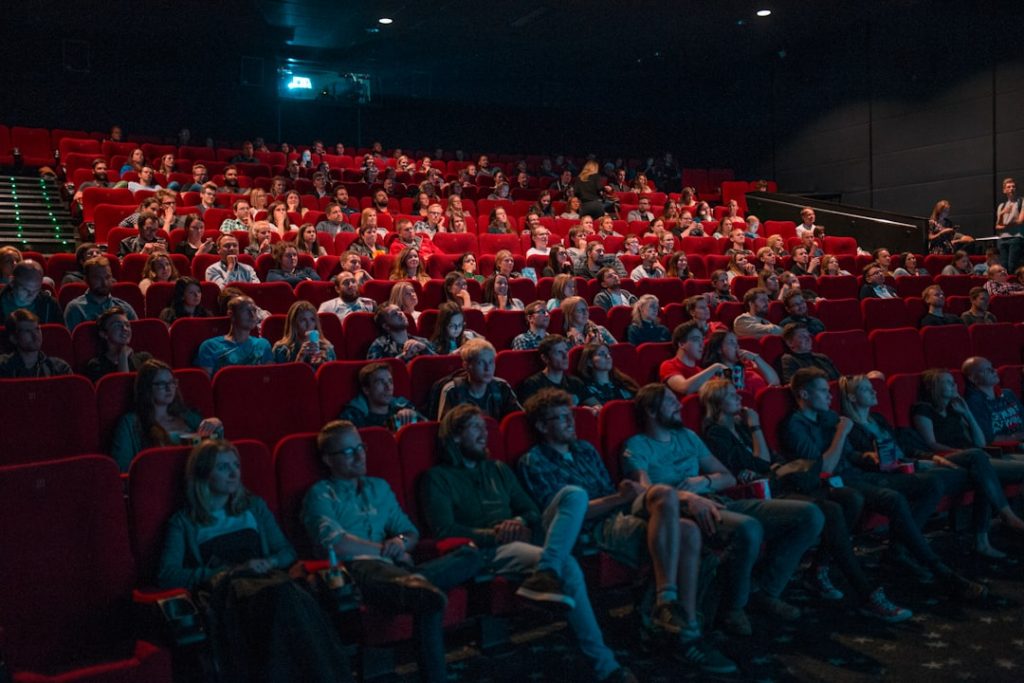
The transformation of horror cinema from low-budget exploitation fare to sophisticated storytelling powerhouse represents one of the most fascinating shifts in modern entertainment. What was once dismissed as mindless schlock has evolved into the industry’s most reliable profit generator and creative outlet.
I believe this evolution reflects something profound about contemporary audiences’ hunger for authentic experiences in an increasingly sanitized media landscape. Horror films offer what mainstream blockbusters often can’t: genuine emotional responses, boundary-pushing narratives, and stories that tackle societal anxieties head-on.
The financial mathematics are undeniable. Recent horror productions consistently deliver extraordinary returns on investment, sometimes exceeding their budgets by factors of 50 to 100. This isn’t just luck—it’s a testament to the genre’s unique ability to maximize limited resources through creativity rather than spectacle.

Why Horror Works Where Other Genres Fail
What makes horror particularly compelling in today’s market is its inherent intimacy. Unlike superhero epics that require massive budgets and extensive visual effects, effective horror relies on psychological tension, innovative storytelling, and strong performances. This creates opportunities for emerging filmmakers to break through industry barriers that would otherwise require significant financial backing.
For independent producers and investors, horror represents the closest thing to a sure bet in an notoriously unpredictable industry. The genre’s built-in audience actively seeks new content, and successful horror films generate passionate word-of-mouth marketing that money can’t buy.
Who Benefits From This Horror Renaissance
This trend particularly benefits creative professionals who prioritize storytelling over spectacle. Writers, directors, and actors looking to showcase their talents without relying on expensive production values find horror an ideal proving ground. The genre rewards innovation and risk-taking in ways that big-budget productions, constrained by massive financial stakes, simply cannot.

However, this boom isn’t universally positive. Traditional Hollywood executives comfortable with formulaic approaches may struggle to understand horror’s appeal. The genre demands a willingness to embrace discomfort and challenge audiences—qualities that don’t always align with corporate risk-aversion strategies.
The Audience Evolution
Modern horror audiences are notably sophisticated, seeking films that function as social commentary rather than mere shock value. This demographic shift has elevated the entire genre, creating space for projects that blend entertainment with meaningful discourse about contemporary issues.
What excites me most about this transformation is how it democratizes filmmaking success. Young creators with compelling visions but limited resources can potentially achieve both critical acclaim and financial success through horror in ways that would be impossible in other genres.
The genre’s current dominance isn’t just a trend—it represents a fundamental shift in how audiences consume entertainment. In an era of franchise fatigue and sequel oversaturation, horror offers the originality and unpredictability that keeps viewers engaged and coming back for more.
Photo by Krists Luhaers on Unsplash
Photo by Felix Mooneeram on Unsplash
Photo by Denise Jans on Unsplash